Warren Buffett's Stance on AI: The Clash Between Innovation and Tradition
4 min read · · Korean original
Contents 6
Warren Buffett and Charlie Munger, revered as investing geniuses, have compared Bitcoin to "rat poison." They have also compared AI to the "atomic bomb." These provocative comparisons have led many people to start thinking about the potential dangers of artificial intelligence and the social problems it may bring.
To better understand their skepticism toward AI, it's worth looking at cases where Buffett and Munger's predictions missed the mark.
Tech Stocks: A Missed Opportunity?
During the dot-com boom of the 1990s, Buffett and Munger had a limited understanding of tech stocks. They preferred traditional stocks and avoided investing in tech because they didn't know the sector well. This caution helped them survive the dot-com bubble, but it also caused them to miss Amazon and Google, which later came to dominate the market.
In fact, Buffett once admitted that he was "too dumb" to recognize Amazon's potential.
Is Bitcoin Rat Poison or Digital Gold?
Buffett and Munger are also very negative about Bitcoin and cryptocurrency. They have compared Bitcoin to "rat poison," expressing skepticism about its long-term value and usefulness. However, many investors and tech leaders see cryptocurrency as a way to decentralize the financial system and limit the risks associated with traditional currencies.
The long-term future of cryptocurrency is still uncertain, but it's worth noting that while Buffett and Munger dismissed Bitcoin, its value grew significantly.
The Exceptional Case of Apple
Interestingly, Berkshire Hathaway, led by Buffett and Munger, who had been reluctant to invest in tech stocks, bought a substantial stake in Apple in 2016. This investment turned out to be a huge success. It shows that even the most cautious investors can eventually come to recognize the value of technological innovation. It also suggests that their negative views on AI and Bitcoin could change as well.
Buffett's concerns about the potential dangers of AI deserve to be taken seriously, but it's important to remember that their judgment in the field of technological innovation hasn't always been right.
Technological Innovation: Fear, Resistance, and Acceptance
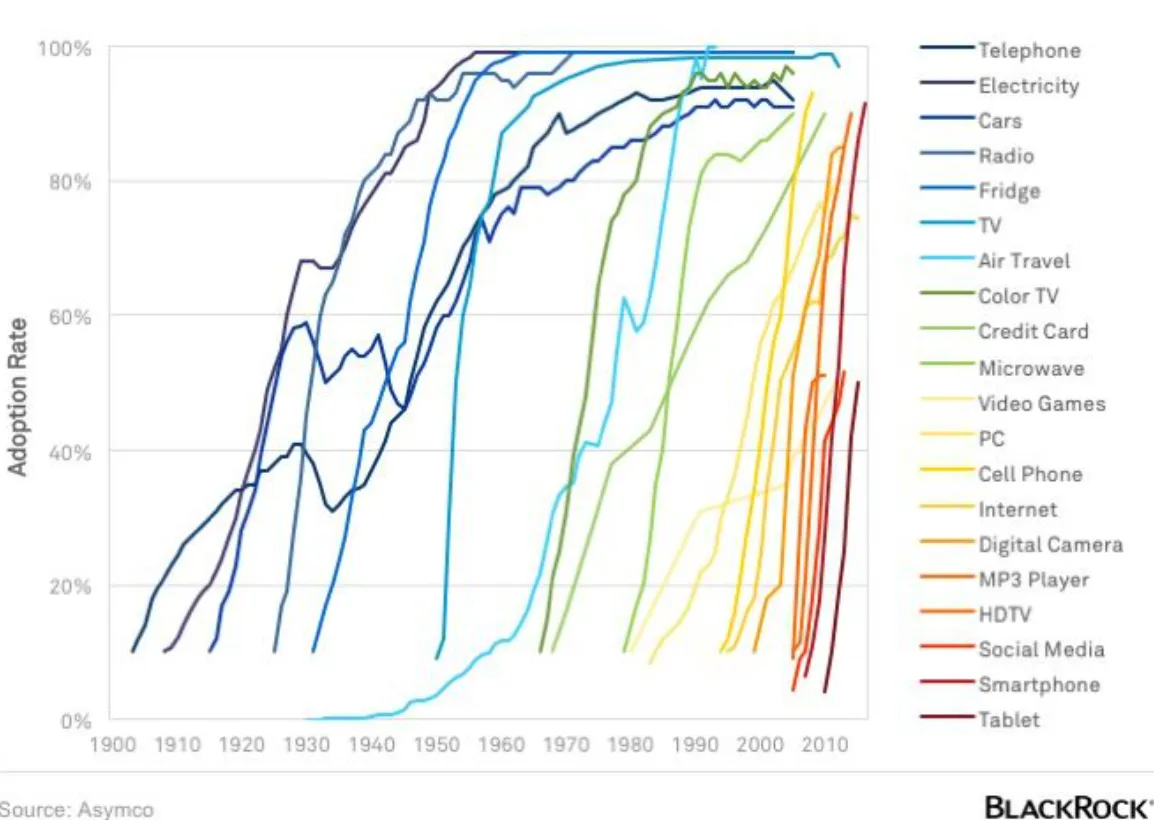
Throughout history, technological progress has often faced opposition and skepticism. This resistance usually stemmed from a mix of fear, uncertainty, and reluctance to give up a familiar way of life.
- The Telephone: A Threat to Social Norms?
When Alexander Graham Bell first invented the telephone in 1876, many voiced concerns. Critics believed the telephone would disrupt social norms, invade privacy, and get in the way of face-to-face communication, encouraging laziness. However, as the telephone became widespread, society adapted to the new technology and embraced its many benefits.
Today, it's hard to imagine life without the telephone or its successor, the smartphone.
- The Automobile: Fears of Disruption and Change
When automobiles appeared in the late 19th and early 20th centuries, they met with similar opposition. Opponents worried about noise pollution, environmental damage, and the loss of traditional means of transportation such as horses and carriages.
Over time, however, automobiles proved to offer numerous benefits, such as personal freedom, efficiency, and accessibility. Today, the automobile is one of the pillars of modern society.
- The Internet: From a Simple Channel for Information to an Essential
Skepticism about the internet was considerable as well. Some critics worried that the internet would promote social isolation, spread false data, and pose serious privacy risks. These concerns continue today, but the internet has revolutionized many aspects of our lives, including communication, business, and education. As a result, most people have come to see the internet as a core part of their lives.
As these examples show, innovation ultimately overcame resistance. Society adapted to the disruption and reaped the rewards of technological progress.
The Future AI Will Bring: Opportunity or Threat
There is heated debate over the potential dangers of artificial intelligence and its benefits for humanity. Supporters argue that AI can transform industries, reduce human error, and be valuable in fields such as health, finance, and environmental protection. Critics, however, warn of job losses, privacy violations, and even the potential dangers of AI-powered weapons.
Amid these opposing views, the strategy we can take is to understand both the risks and the potential. We can encourage the development and use of AI while curbing its negative consequences.
As titans of the investing world, Warren Buffett and Charlie Munger have had a major influence on public attitudes toward new technologies. That makes their stance worth examining further.
Is their comparison of AI to the "atomic bomb" justified? Or does it simply reflect an instinctive resistance to change and innovation?
One reason for this cautious attitude may be their preference for conservative, long-term investing. Artificial intelligence fundamentally shakes up existing industries, which may conflict with Buffett and Munger's investment philosophy.
Lessons from History
Despite concerns about artificial intelligence, technology keeps advancing regardless of early resistance. Our society should welcome the positive changes and potential of AI while addressing legitimate concerns. Through active joint discussion and action among innovators, lawmakers, and the public, we can continue to pursue responsible AI innovation.
Concerns about the dangers of AI should be taken into account, but history shows that technological progress, when managed well, brings enormous benefits.
Original: Unpacking Warren Buffett’s Stance on AI: Innovation vs. Tradition, Jay Speakman