Blockchain Use Cases: Can Blockchain Really Transform the Financial System?
3 min read · · Korean original
Contents 4
Can blockchain really transform today's financial system? I think it can. In the end, the financial system will become decentralized, and most assets will be tokenized. Before getting into the main topic, I want to make one thing clear: at the heart of this change is blockchain, not Bitcoin. People who praise Bitcoin naturally praise blockchain too, but people who praise blockchain sometimes look at Bitcoin coldly.
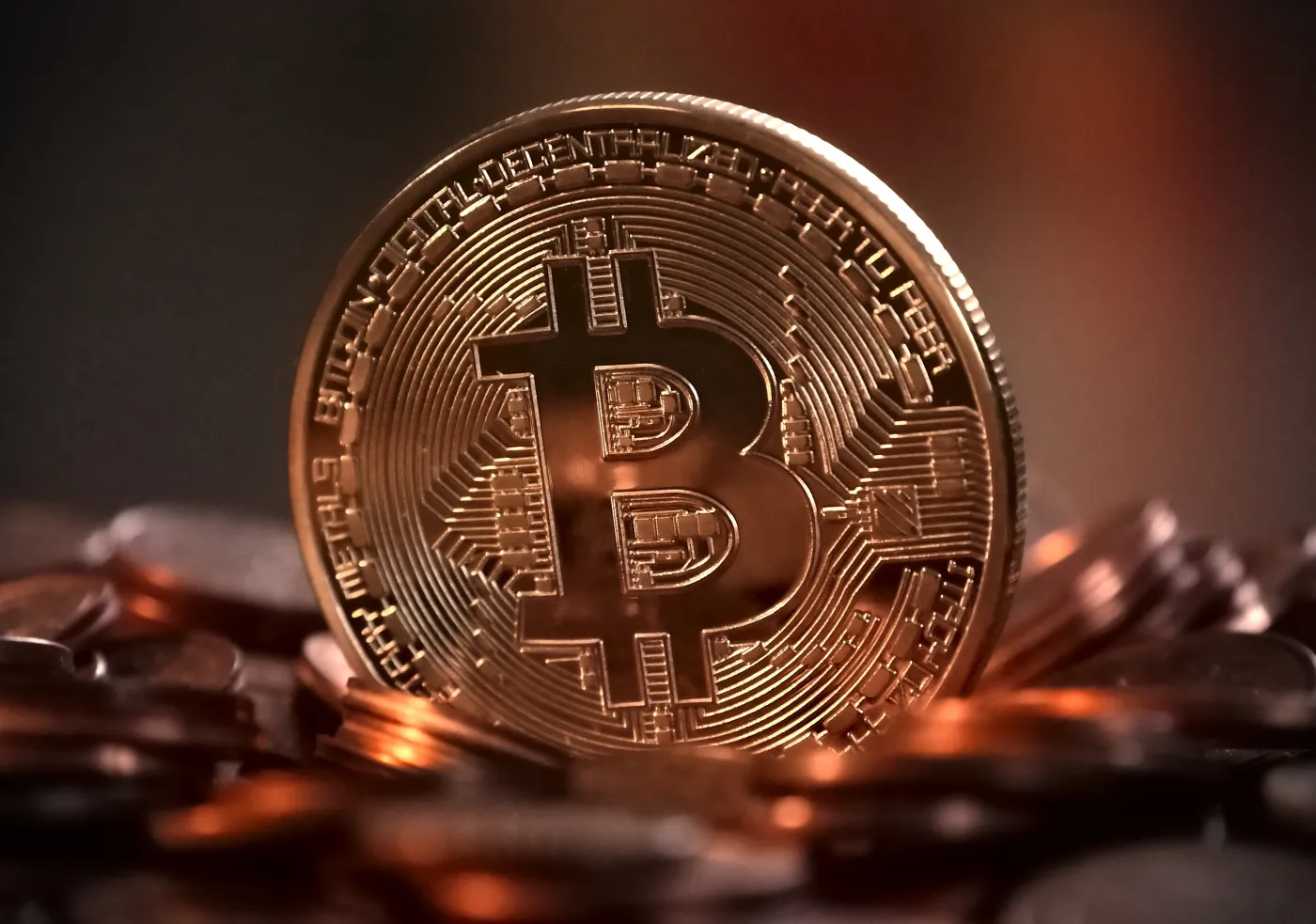
That's because Bitcoin is proving unsuitable for its original purpose as an electronic means of payment. What remains is its use as a store of value, "digital gold," and even that standing is being shaken by talk of quantum computers and 51% attacks. To sum up, Bitcoin is the first coin of blockchain, but blockchain is something bigger than Bitcoin.
Blockchain and Today's Financial System
Banks manage and coordinate the financial system on their own and act as the middlemen of the global economy. Blockchain, however, removes these intermediaries and gives ordinary people a system that anyone can easily access: trustless, borderless, and transparent. This makes faster, cheaper, and safer transactions possible. With smart contracts, parties can carry out agreements without having to trust each other. These characteristics of blockchain will further decentralize the current financial system and create new forms of financial services.
Winds of Change in the Financial Industry
Last October, KB Kookmin Bank held a large conference in Yeouido together with Seoul Ethereum Meetup. There, the bank expressed interest in digital asset custody and stablecoins. Hur Yin, CEO of KB Kookmin Bank, said the bank would "see blockchain as a core technology and pursue a mid- to long-term digital transformation." There are still more concerns than expectations at this point, but not only KB in Korea but also overseas banks such as JPMorgan and Wells Fargo are testing or developing stablecoins.
Digital Assets Beyond Cryptocurrency
When people hear "blockchain," they talk about cryptocurrency. But blockchain can be applied to all digital assets, including cryptocurrency. Digital assets don't only mean things that are worth money. They also include digital IDs, contracts, title documents, and more, which can be guaranteed through the transparency and reliability of blockchain. In addition, once assets such as real estate and artwork are tokenized, they can be split into shares, making joint ownership, participation, and sharing possible.
Third Parties Will Still Be Needed
Blockchain will transform the current financial system. Through blockchain, we'll see changes in fast payments, crowdfunding, asset tokenization, agreements through smart contracts, data integration and security, and more. However, trusted third parties such as banks will still be needed. What do you do when something goes wrong? In other words, what happens if you send money to the wrong place by mistake, or lose your private key? A blockchain-based financial system will become more decentralized than it is today, but the authority of centralized third parties will still grow even greater.