EBS "The Face of Money" Part 1. Do You Trust Money? (Review)
3 min read · · Korean original
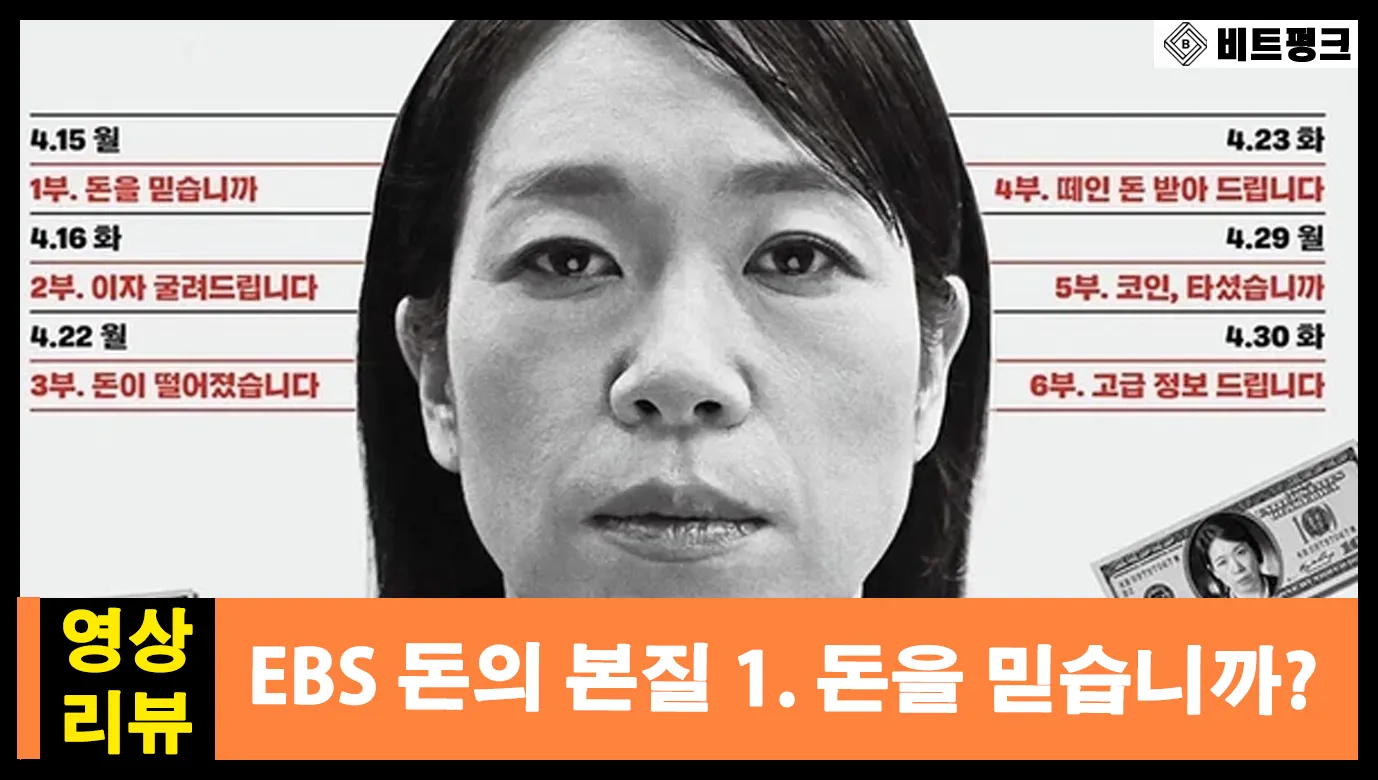
I watched "EBS The Face of Money," a series that explores the true value and nature of money, and wanted to leave a review. "Part 1. Do You Trust Money?" looks at how the role of money is changing in the global economy, including the banking crisis in Lebanon, and raises questions about our faith in money.
The Bank Run in Lebanon
Lebanon, located on the Mediterranean, recently saw large-scale protests after depositors were unable to get their own money out of the banks. This was a problem caused by the banks' lack of liquidity in 2023. A string of events, including the 2006 war with Israel, the presidential vacancy that lasted from 2014 to 2016, corruption, and the 2020 Beirut port explosion, made these economic difficulties even worse.
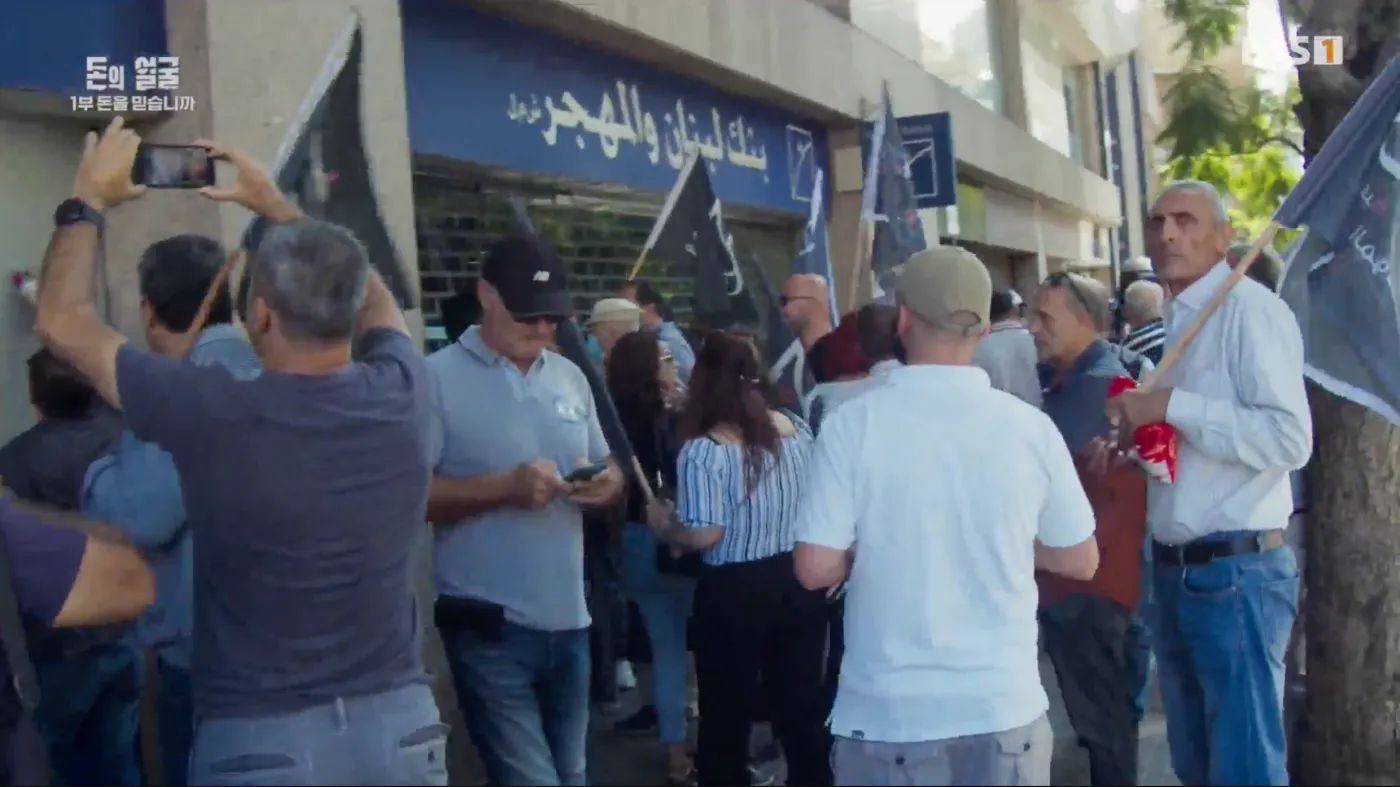
Put simply, liquidity is the ability to withdraw your money whenever you want. When depositors entrust their assets to a bank, they should be able to withdraw that amount immediately when they need it, but in Lebanon they couldn't.
As a medium for exchanging value, money has to provide "safety." However, the lira, Lebanon's currency, is failing to properly function as either a store of value or a medium of exchange. As a result, a huge gap opened up between the value of the dollar and the lira, leading to a series of mass withdrawals: a bank run.
What Is Fiat Money?
In the early days, people used physical assets such as shells and iron money as currency, but later paper money, which was far easier to carry and exchange, came along. The state guarantees the value of paper money, and under the Bretton Woods system there was a standard based on gold.
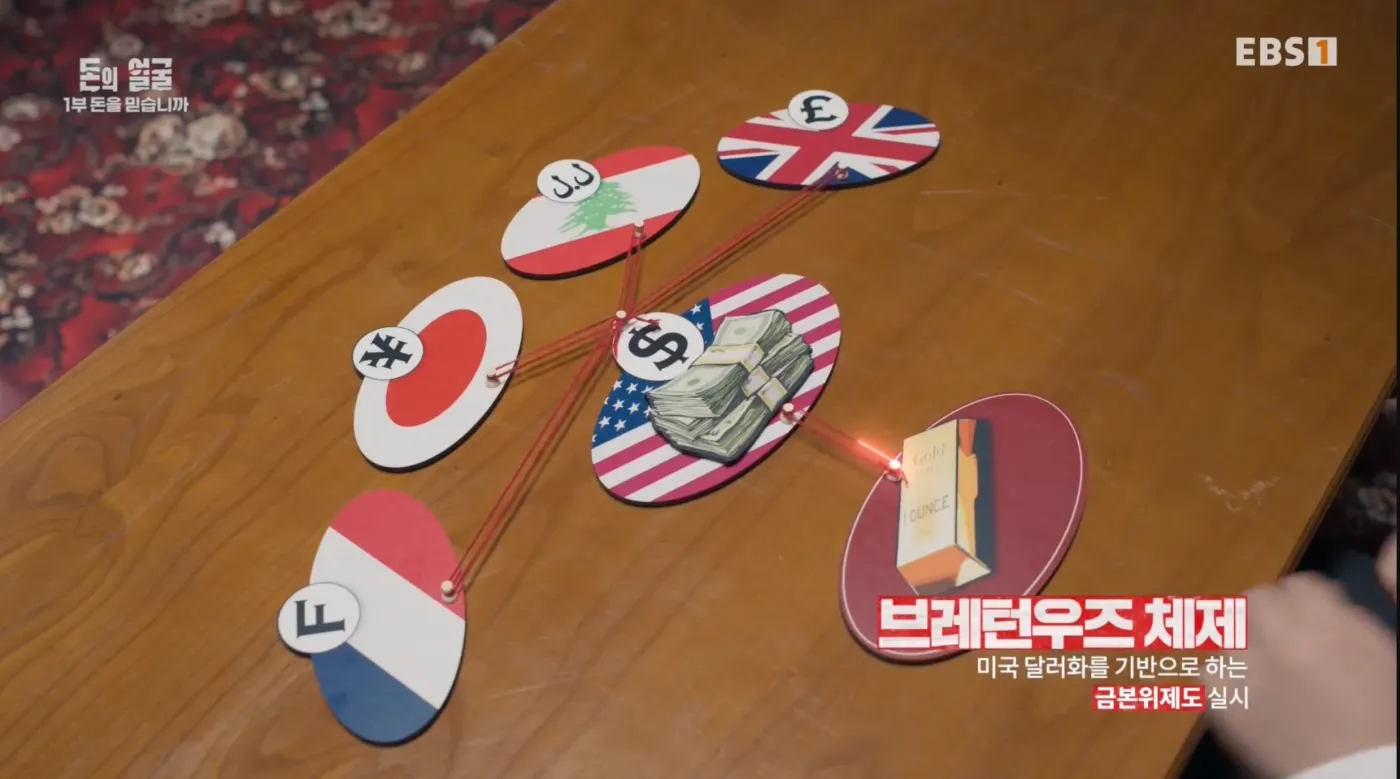
For example, before 1971, 1 ounce of gold was worth 35 US dollars. But after the gold standard was abolished, inflation and liquidity increased, and money increasingly evolved into a form based on credit.
How Money Makes Money
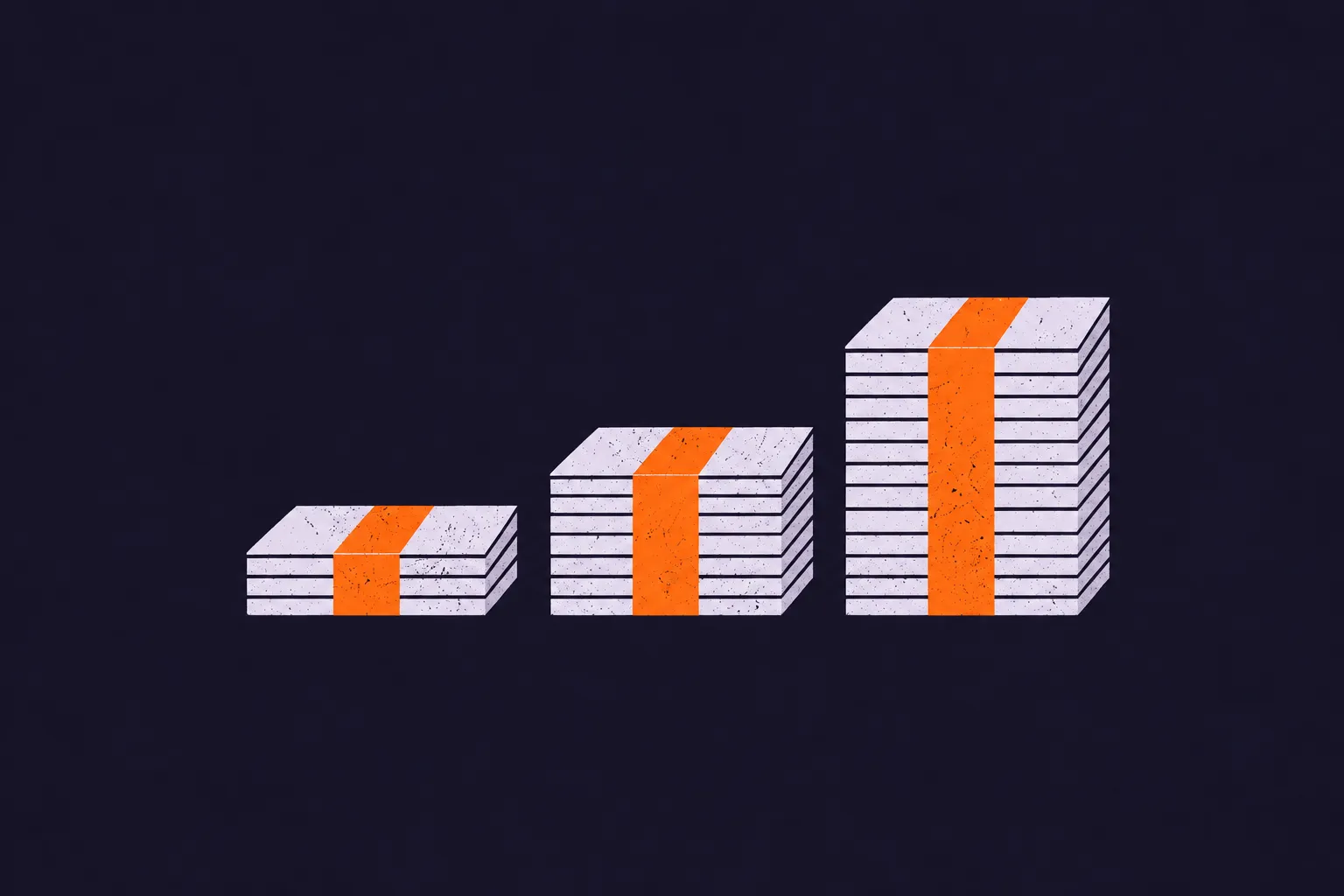
When the central bank issues KRW 1,000,000, Bank A lends out 90% of that amount, KRW 900,000, and keeps the remaining 10% as reserves. This KRW 900,000 is then deposited at Bank B, and Bank B in turn lends out KRW 810,000, holding back 10%, or KRW 90,000.
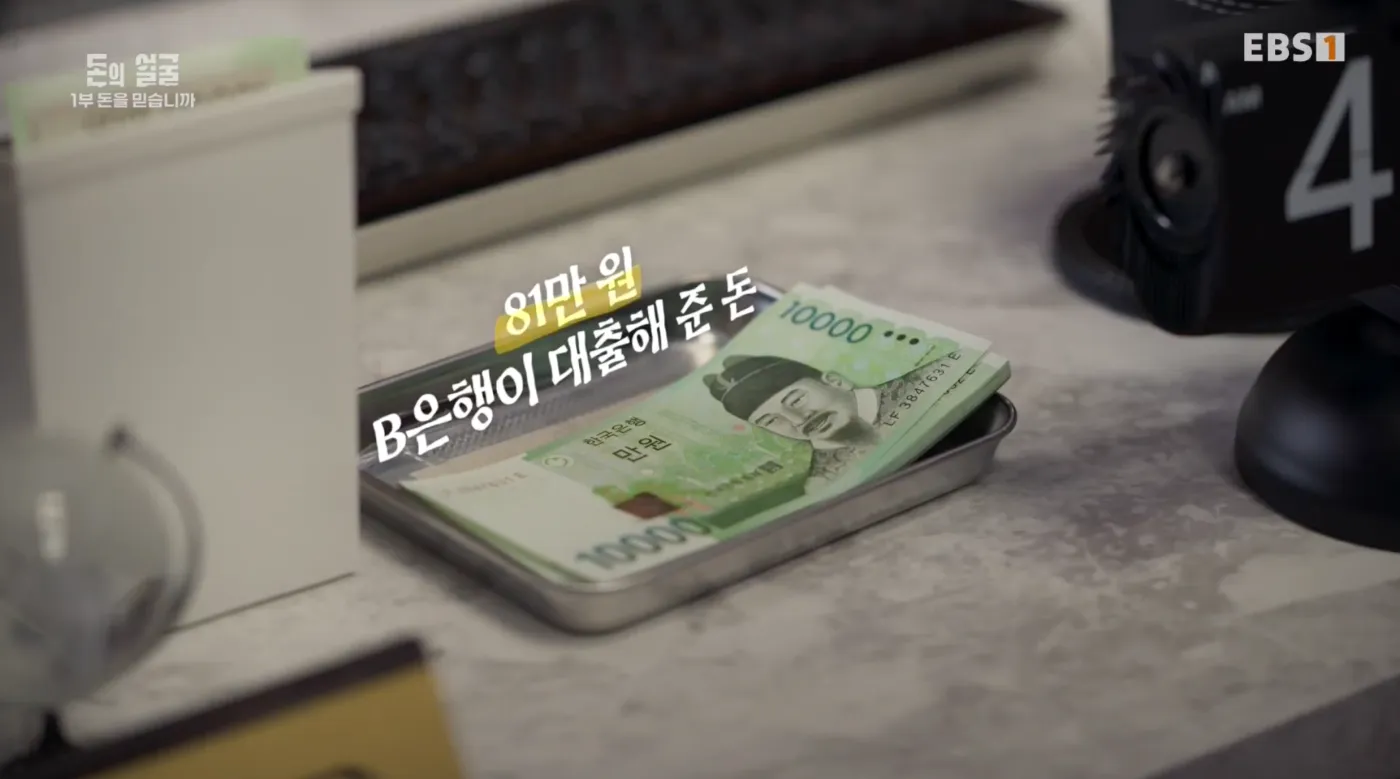
This process keeps repeating through Bank C, Bank D, and so on, so that far more money ends up circulating in the economy than the KRW 1,000,000 the central bank actually issued. In this way, the fiat money system makes possible a scale of financial expansion that would be impossible with physical assets.
Why We Trust Money
The value of money is based on the trust of the people who use it. The value of fiat money is not guaranteed by physical assets such as gold or silver; it is maintained because we trust it. This trust keeps economic activity in our society running smoothly, and it is reinforced by the policies of governments and central banks.
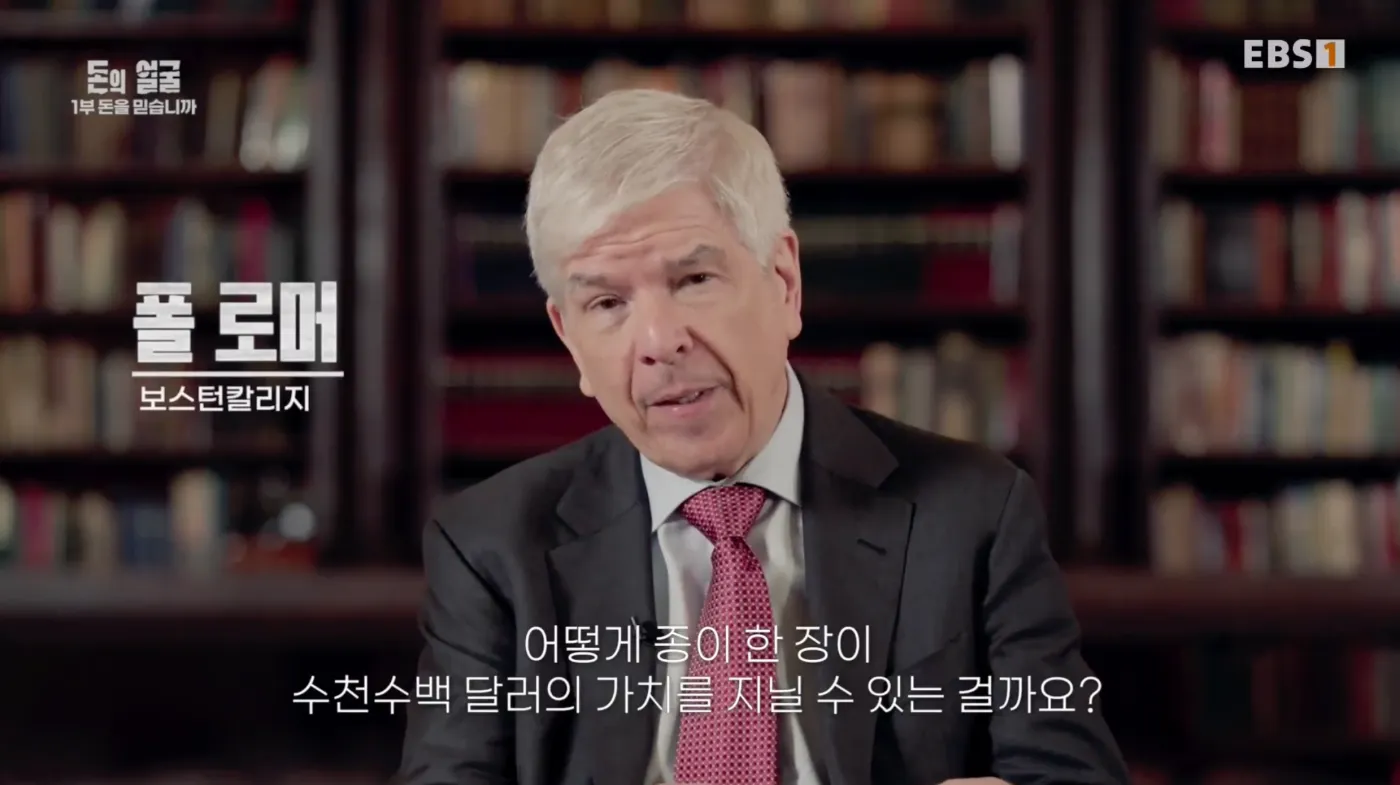
However, when this trust is shaken, for example when hyperinflation occurs or an economic crisis hits, the value of money can drop sharply, and as a result it can send serious shockwaves through the entire economy. So the stability of money depends greatly on how much we trust it and rely on it.