A Guide to Korea's New Virtual Asset Law
3 min read · · Korean original
Contents 7
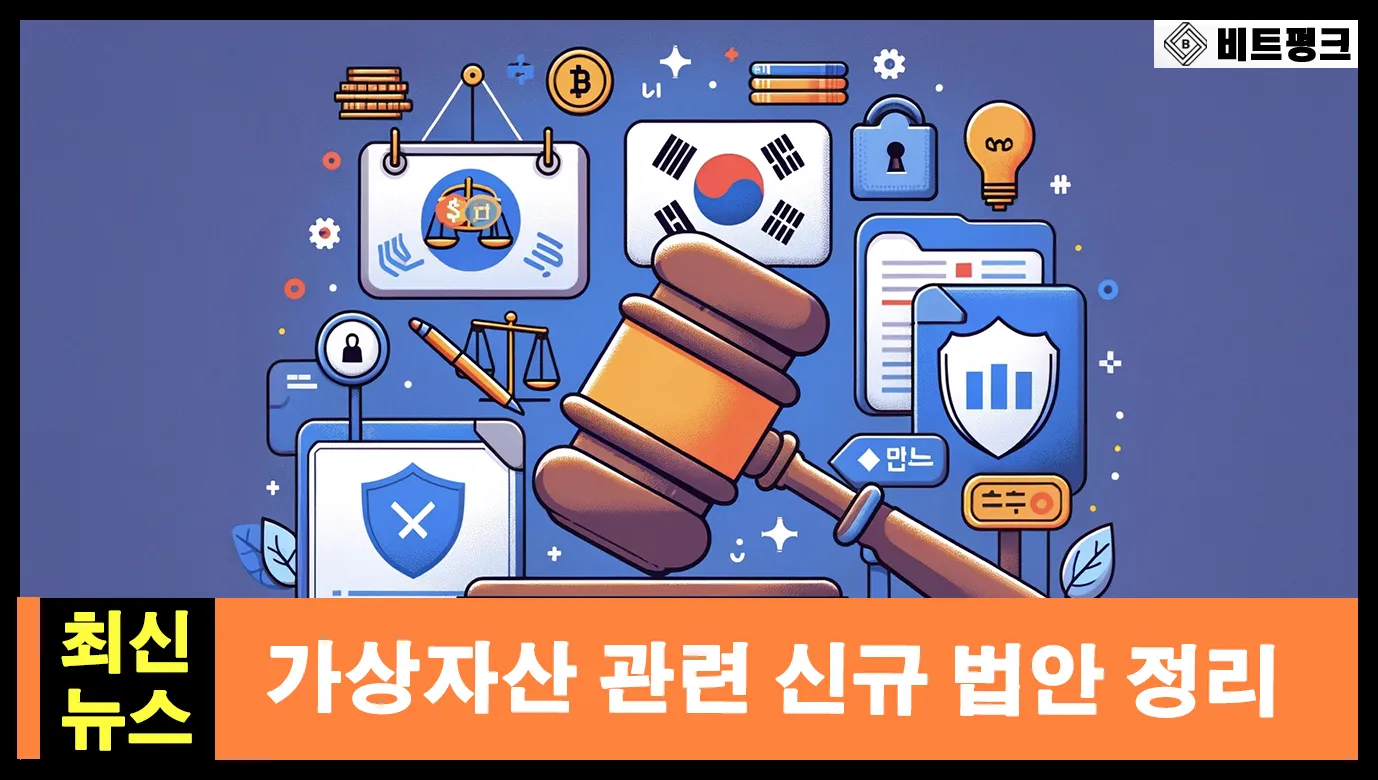
The key details of the "Virtual Asset User Protection Act," set to take effect in Korea in July 2024, have been announced. From the scope of virtual assets, non-fungible tokens (NFTs) are excluded, and the act includes regulations such as measures against hacking crimes and a higher cold wallet storage ratio. On top of that, stricter insider trading regulations for virtual asset exchanges and new user protection measures will be introduced.
1. Redefining the Scope of Virtual Assets
Non-fungible tokens (NFTs), electronic bonds, mobile gift certificates, and deposit tokens issued on CBDC networks are excluded from virtual assets. Among these, NFTs were previously classified as virtual assets. This time, however, they have been reclassified as not being virtual assets. This is because NFTs are mainly traded for collecting purposes, and their risk to the financial system was judged to be limited.
However, please note that there is a provision stating that NFTs may be classified as virtual assets if they are issued in large quantities and traded with one another, or used as a means of payment.
2. Customer Deposits Managed by Banks
Banks have been designated as the entities that manage virtual asset users' deposits. Banks will be able to invest these deposits as assets, and if a business such as a virtual asset exchange is declared bankrupt, the deposits must be paid to users first. In addition, offsetting or seizing these deposits is prohibited.
3. Higher Cold Wallet Storage Ratio
Virtual asset exchanges must raise their cold wallet storage ratio from the previous 70% to 80%. A cold wallet stores virtual assets disconnected from the internet, and it is considered relatively safe from hacking crimes.
4. Mandatory Insurance or Reserve Funds
Virtual asset businesses must either take out insurance or set aside reserve funds to prepare for losses caused by hacking, system failures, and the like. This measure is meant to let virtual asset users trade in a safer environment.
5. Stricter Insider Trading Regulations
Virtual asset exchanges may allow insider trading within 6 hours after material information is disclosed. This measure aims to prevent unfair trading and increase the transparency of transactions.
6. Legislative Notice and Effective Date
This draft of the virtual asset law will be under legislative notice until January 22, 2024, and after review by the Ministry of Government Legislation and approval by the Cabinet Council, it is scheduled to take effect on July 19, 2024.
Wrapping Up
The newly announced guide to the Enforcement Decree of the Virtual Asset User Protection Act is intended to create a healthier and safer virtual asset market environment in Korea.
This legislation focuses on strengthening user protection and improving the transparency and safety of the virtual asset market. Virtual asset investors and businesses should pay attention to these changes and prepare the measures needed to stay compliant.