[Economics Basics] What Is the World Trade Organization (WTO)?
2 min read · · Korean original
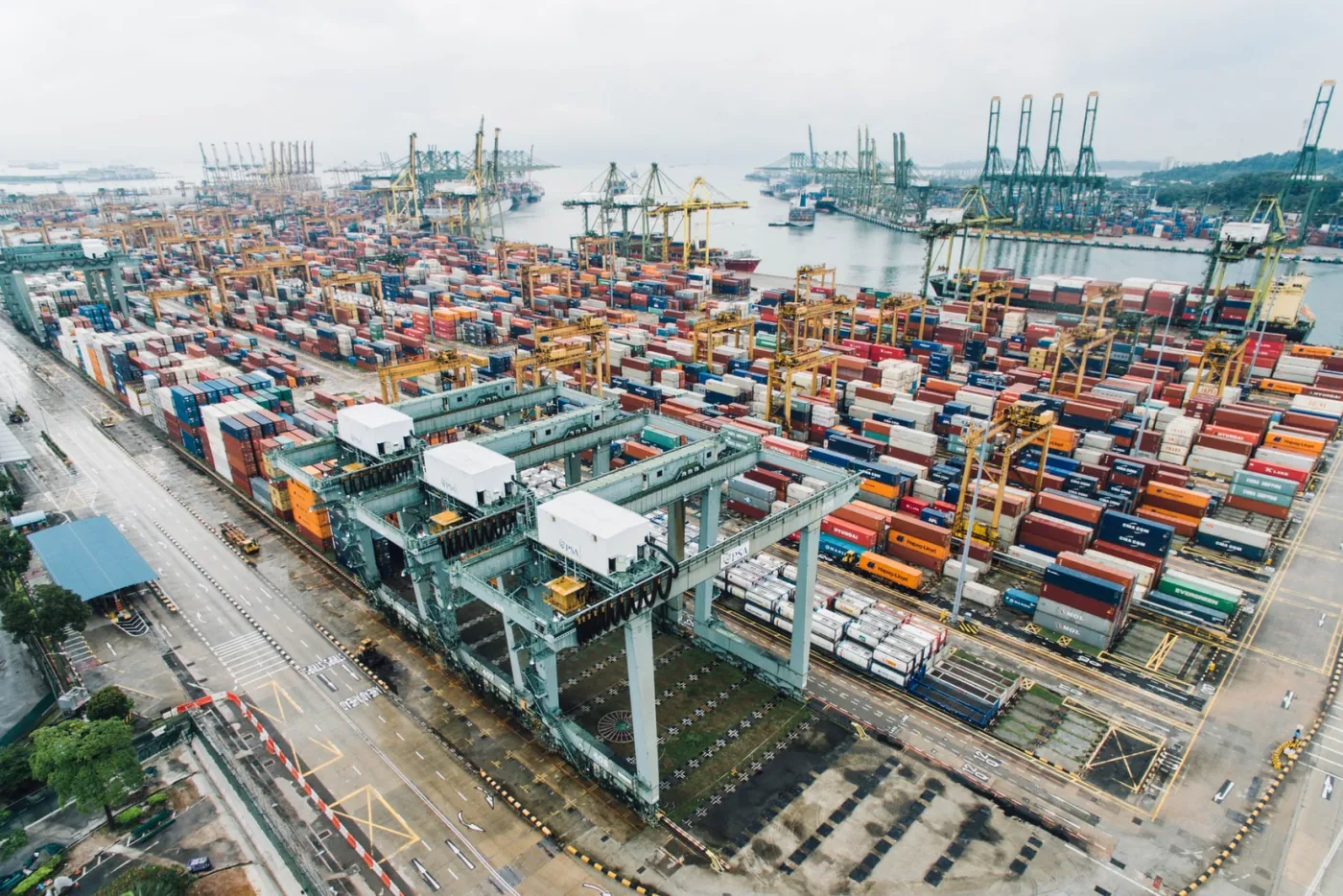
Hello, this is Bitpunk. Today we'll look at the World Trade Organization (WTO). The WTO is an international organization that oversees the rules of trade between nations, and it was founded in 1995. But did you know this? The WTO is the successor to the General Agreement on Tariffs and Trade (GATT), which was created after World War II! As of 2019, the WTO has 164 member countries. They get help from the WTO in areas such as production, exports, and imports.
-
The WTO is an organization for international trade between countries.
-
The WTO aims to resolve trade issues that arise among its member countries.
- The WTO has both advantages and disadvantages.
What Does the WTO Do?
The WTO is an organization that lowers trade barriers and encourages trade among its member countries. Of course, countries sometimes keep trade barriers in place for the sake of their own economic interests. In those cases, the WTO's role is to put together mediation proposals for negotiations in a way that benefits the global economy.
Once negotiations are finished and an agreement is reached, the WTO encourages members to settle any future disputes through negotiations based on that existing agreement. Without the WTO, this kind of negotiation, mediation, and settlement wouldn't be possible. That's why the WTO's basic agreements also serve as a set of rules and regulatory requirements that a country's trade policy must follow.
Pros and Cons of the WTO
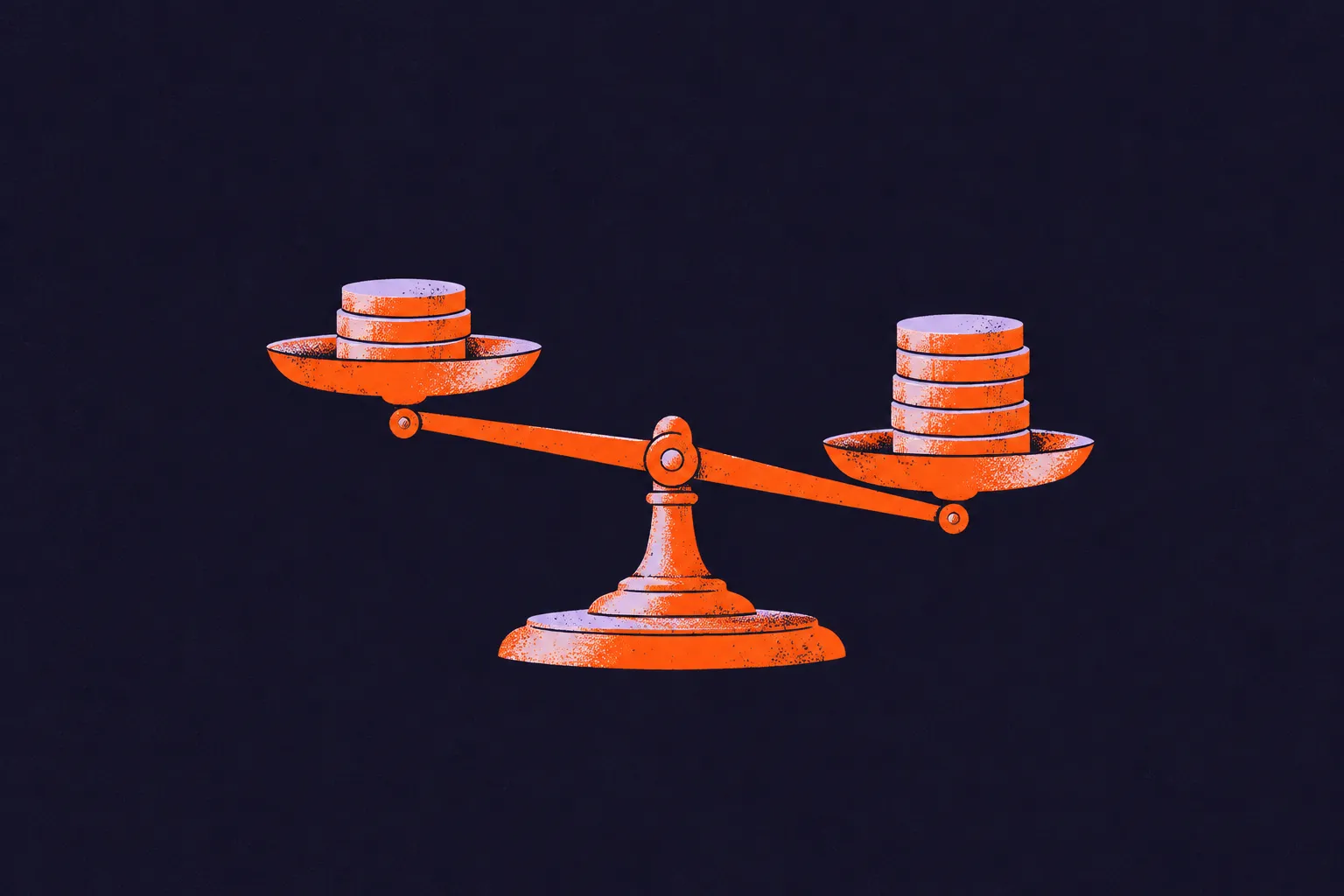
Even an organization that boosts and encourages global trade like this has its pros and cons. Supporters of the WTO believe that multinational companies can grow through free trade and that fewer trade disputes allow the world economy to grow together, while skeptics argue that the WTO undermines the principle of national sovereignty and only widens the wealth gap. In other words, the WTO accelerated globalization and expanded trade worldwide, but it also fueled the exploitation of peripheral countries.
Wrapping Up
Recently, U.S. President Trump has called the WTO a "disaster" and hinted at withdrawing from it. If the U.S. were to leave the WTO, it's expected to disrupt trillions of dollars' worth of international trade. That shows just how important a role the organization plays in global trade.
Ultimately, while maximizing the WTO's strengths as a trade agreement that boosts international trade and provides guidelines for it, support and systems should also be put in place for the countries that end up relatively exploited as a result.