What Is Tokenomics and Why Does It Matter? (Token Economics Explained)
8 min read · · Korean original
Contents 5
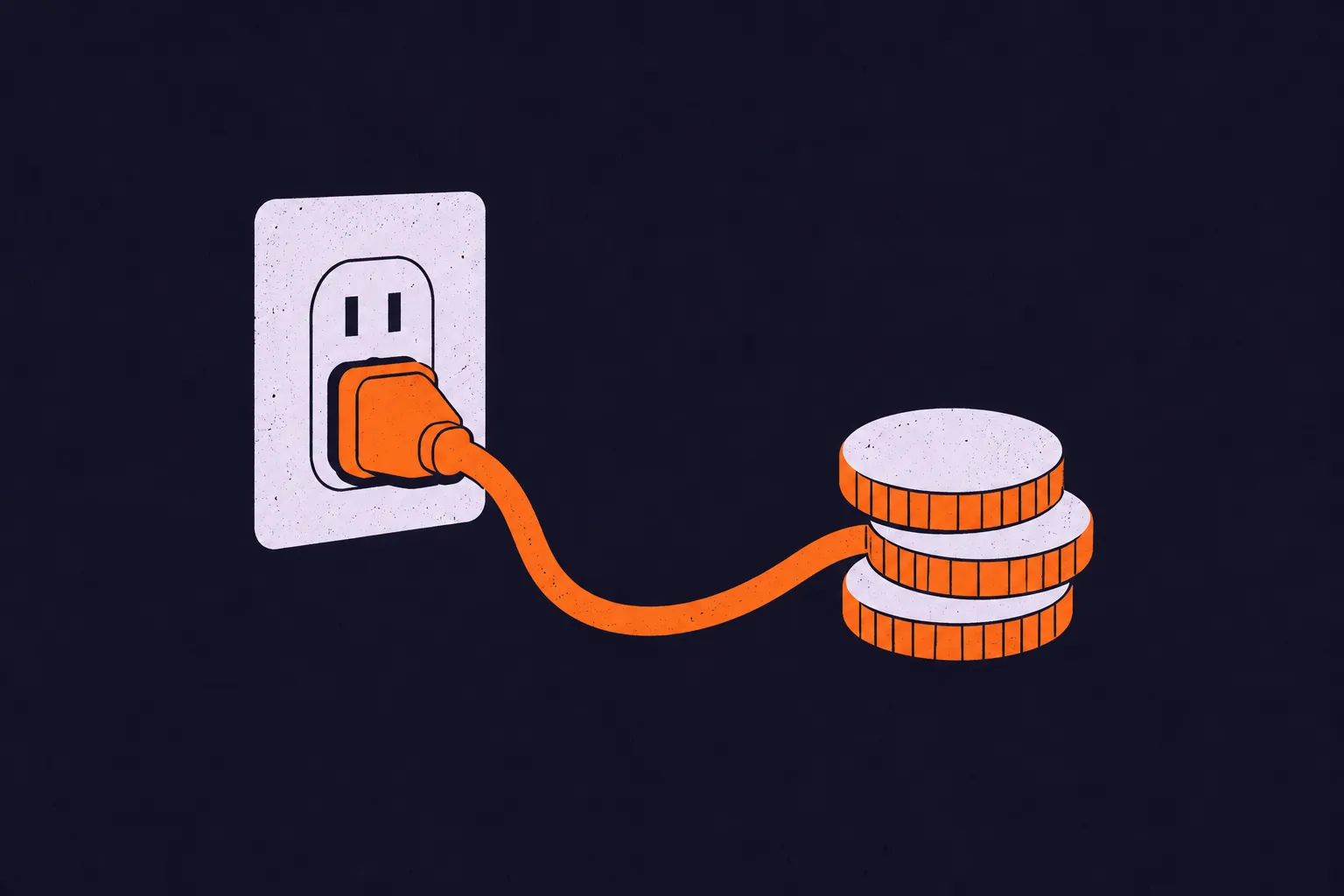
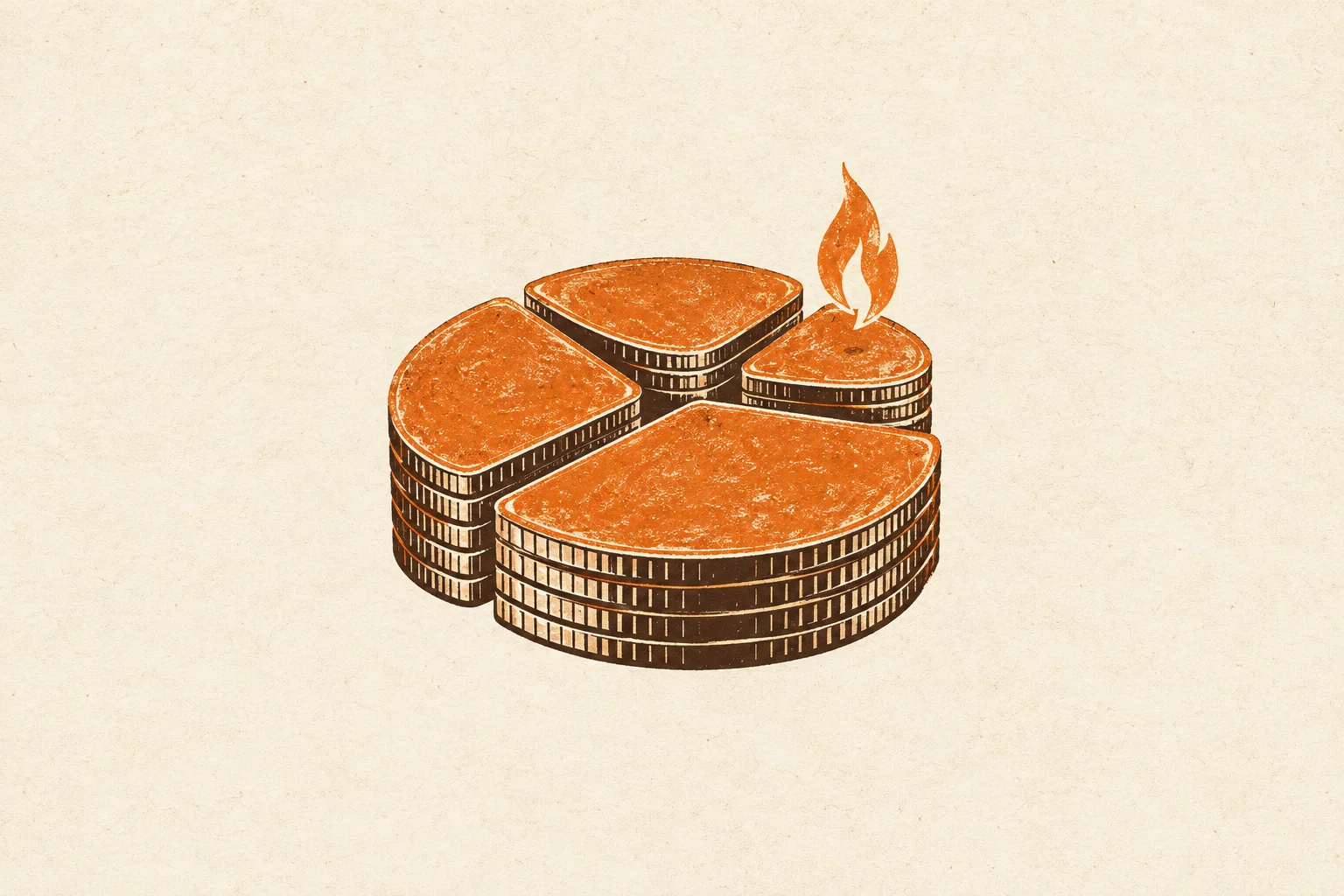
Tokenomics, or token economics, is an umbrella term for the economics of a token. It describes the factors that affect a token's use and value, including how tokens are created and distributed, supply and demand, incentive mechanisms, and token burn schedules.
Well-designed tokenomics are crucial to the success of a crypto project. Evaluating a project's tokenomics before deciding to get involved is an essential step for investors and stakeholders.
This article is a translation of the Binance Academy article <What Is Tokenomics and Why Does It Matter?>.
Introduction
Tokenomics, a blend of the words "token" and "economics," is a key element in analyzing crypto projects. Besides looking at the whitepaper, founding team, roadmap and community growth, tokenomics plays an important role in evaluating a blockchain project's prospects. Crypto projects need to design their tokenomics carefully to ensure sustainable, long-term development.
Tokenomics at a Glance
Blockchain projects design tokenomics rules for their tokens to encourage or discourage various user behaviors. This is similar to how central banks print money and then implement monetary policy to encourage or discourage spending, lending, saving and the movement of money.
Here, the word "token" refers to both coins and tokens. Unlike fiat currency, the rules of tokenomics are implemented through code, which makes them transparent, predictable and hard to change.
Let's take Bitcoin's tokenomics as an example. Bitcoin's total supply is preprogrammed at 21 million coins. Bitcoin is created and put into circulation through mining. Miners mine a block roughly every 10 minutes and receive bitcoin as a reward.
The reward, also called the block subsidy, is cut in half every 210,000 blocks. Under this schedule, a halving happens every four years. Since the first block (the genesis block) on January 3, 2009, the block subsidy paid out on the Bitcoin network has been halved from 50 BTC to 25 BTC, 12.5 BTC, and then 6.25 BTC.
Based on these rules, you can easily calculate that about 328,500 bitcoins will be mined in 2022: divide the total number of minutes in a year by 10 (since a block is mined every 10 minutes), then multiply by the 6.25 BTC paid out as a reward. This makes the number of bitcoins mined each year predictable, and the last bitcoin is expected to be mined around 2140.
Bitcoin's tokenomics also define the transaction fees miners receive when a new block is validated. Fees are designed to rise in proportion to transaction size and network congestion. This helps prevent spam transactions and encourages miners to keep validating transactions even as the block subsidy continues to shrink.
In short, Bitcoin's tokenomics are simple and ingenious. Everything is transparent and predictable. Bitcoin's incentive system is designed to keep the network robust and to reward participants who help increase its value.
Key Elements of Tokenomics
"Tokenomics," an umbrella term covering the many factors that affect a cryptocurrency's value, refers above all to the structure of the crypto economy designed by its issuer. Here are the most important factors to consider when looking at a cryptocurrency's tokenomics.
1. Token Supply
Supply and demand are major factors that affect the price of goods and services. The same goes for cryptocurrencies. There are a few important ways to measure token supply.
The first is maximum supply. This means the maximum number of tokens that can ever be issued for the cryptocurrency is coded into the program. Bitcoin's maximum supply is 21 million coins. Litecoin has a hard cap of 84 million coins, and BNB's maximum supply is 200 million coins.
Some tokens have no maximum supply. The supply of ether on the Ethereum network grows every year. Stablecoins such as USDT, USD Coin (USDC) and Binance USD (BUSD) have no maximum supply because they are issued based on the reserves backing them. In theory, their supply can keep growing without limit. Dogecoin and Polkadot are also cryptocurrencies with no supply cap.
The second is circulating supply. This refers to the number of tokens currently in circulation. Tokens can be issued and burned, or locked up in other ways. This also affects the token's price.
By looking at a token's supply mechanism, you can tell how many tokens will ultimately be issued.
2. Token Utility
Token utility refers to the use cases designed for a token. For example, BNB's utility includes powering BNB Chain, paying transaction fees on BNB Chain, getting trading fee discounts, and serving as a community utility token in the BNB Chain ecosystem. Users can also stake BNB. They can earn additional income through various products within the ecosystem.
There are other use cases for tokens as well. Governance token holders can vote on changes to the token's protocol. Stablecoins are designed to be used as currency. Security tokens represent financial assets. For example, a company could issue tokenized shares during an initial coin offering (ICO), giving holders ownership and dividends.
These factors can help you determine a token's potential use cases, which is essential to understanding how the token's economy will develop.
3. Analyzing Token Distribution
Besides supply and demand, it's important to look at how tokens are distributed. Large institutions and retail investors behave differently. Knowing who holds a token matters. It can give you insight into how the token will be traded, which in turn affects the token's price.
Generally, there are two ways to issue and distribute tokens. The first is a fair launch, and the other is a pre-mine. A fair launch is when there is no early allocation before the token is issued and distributed to the public. Bitcoin and Dogecoin fall into this category.
With a pre-mine, on the other hand, part of a cryptocurrency can be issued and distributed to a specific group before it is offered to the public. Ethereum and BNB went through this process.
In general, you should pay attention to how evenly a token is distributed. If a large share of the tokens is held by a small group, it is considered riskier. If tokens are held mainly by long-term investors and the founding team, stakeholders will place more value on the project's long-term success.
You should also check the token's lockup and unlock schedule to see whether a large number of tokens will enter circulation. This could push the token's value down.
4. Checking Token Burns
Many crypto projects burn tokens on a regular basis. In other words, they permanently remove tokens from circulation. BNB, for example, is being burned. This reduces the amount of BNB in circulation and also lowers the total token supply. BNB, of which 200 million were pre-mined, currently (as of June 2022) has a total supply of 165,116,760 BNB. BNB will be burned until 50% of the total supply is gone, meaning BNB's total supply will drop to 100 million BNB. Similarly, Ethereum began burning ETH in 2021 to reduce its total supply.
When a token's supply decreases, it is considered deflationary. Conversely, when a token's supply keeps increasing, it is considered inflationary.
5. Incentive Mechanisms
A token's incentive mechanism is important. How participants are incentivized to ensure the token's long-term sustainability is at the heart of tokenomics. The way Bitcoin's block subsidy and transaction fees are designed is a great example.
Likewise, the proof of stake (PoS) mechanism is another widely adopted validation method. With proof of stake, participants can lock up tokens to validate transactions. Generally, the more tokens you lock up, the more likely you are to be chosen as a validator and rewarded for validating transactions. And if a validator tries to harm the network, the value of the assets they locked up is put at risk. This feature encourages participants to act honestly and keep the protocol secure.
Many DeFi projects adopt innovative incentive mechanisms to achieve rapid growth. In the case of Compound, a crypto lending platform, investors can deposit crypto into the Compound protocol and receive interest on it along with COMP tokens as an extra reward.
The COMP token serves as the governance token of the Compound protocol. This model aligns the interests of all participants with Compound so that they pursue long-term growth together.
The Future of Tokenomics
Since the genesis block of the Bitcoin network was created in 2009, tokenomics has evolved significantly. Developers have explored a variety of tokenomics models. There have been successes and failures. Bitcoin's tokenomics model has withstood many tests and continues to hold up. In cases of poorly designed tokenomics, problems have arisen.
NFTs offer another type of tokenomics model based on digital scarcity. The tokenization of traditional assets such as real estate and artwork may also bring new tokenomics innovations in the future.
Closing Thoughts
Tokenomics is a fundamental concept you need to understand if you're getting into crypto. Token economics is a term for the key factors that affect a token's value, and it has a major impact on how a token is used, how easily a network can be built, the token's use cases, and more.
However, no single factor determines tokenomics as a whole. Tokenomics should be evaluated holistically, based on as many factors as possible. Tokenomics can be examined alongside fundamental analysis to make informed judgments about a project's prospects and its token price.