How to Deposit on Gate Exchange | Safely Transferring USDT On-Chain
2 min read · · Korean original
Gate Exchange supports trading, deposits and withdrawals for more than 3,500 digital assets and has over 34 million users worldwide. With a daily trading volume of more than 50 billion dollars across its spot and futures markets, it has established itself as one of the major global exchanges.

In this post, we'll take a detailed look at how to safely deposit coins like Tether USDT and Ethereum to Gate Exchange.
How to Deposit on Gate Exchange
1. Access the Exchange
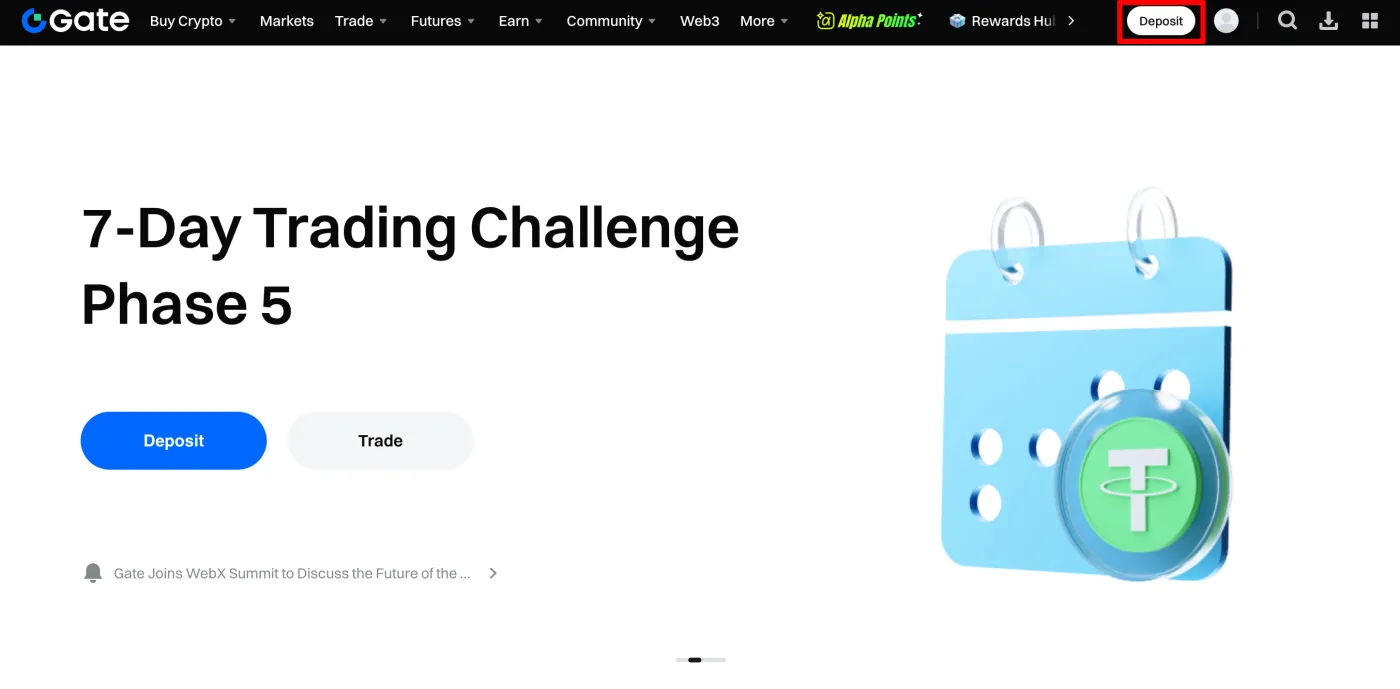
Go to Gate Exchange, then click the 'Deposit' button in the top right corner.
2. Choose a Deposit Method
Click 'Onchain Deposit'. This is the 'on-chain deposit' method you can use when transferring from an external exchange such as Bithumb, Upbit or Binance, and it also works for transfers from personal wallets such as MetaMask.
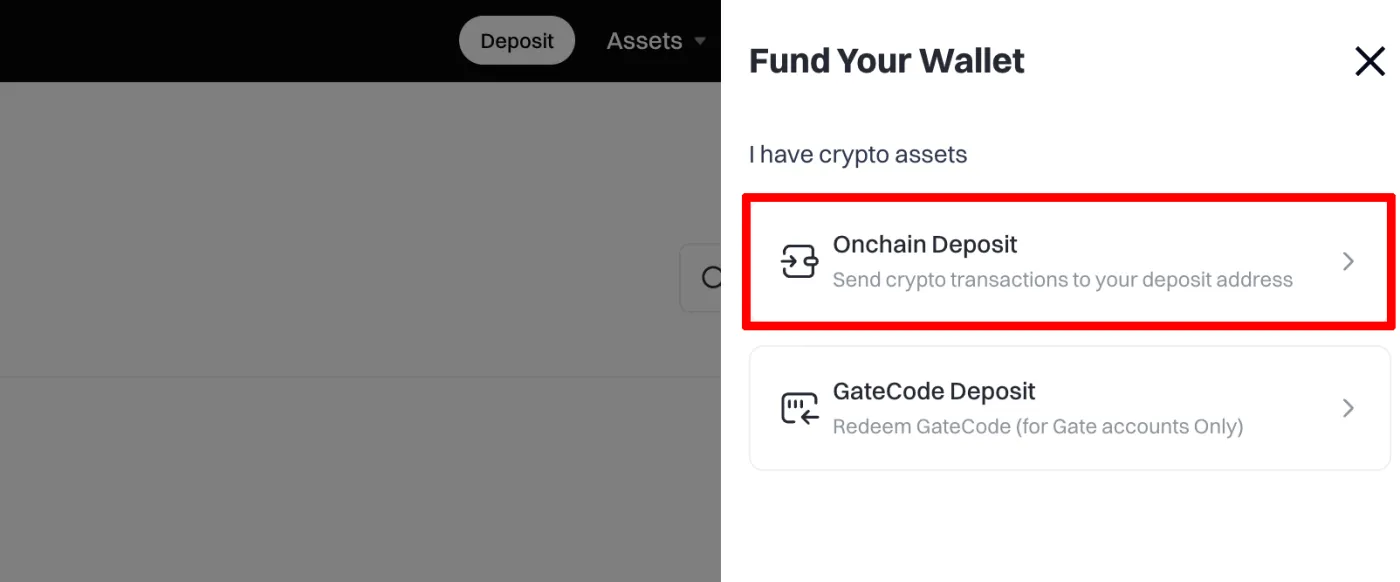
An on-chain deposit is a transfer that takes place directly on a blockchain network. When a user sends coins from a personal wallet or an external exchange to another exchange or wallet address, the transaction is recorded on the blockchain and can be tracked with its transaction hash (TxID).
3. Select the Coin and Network
Select the coin and network you want to deposit to Gate Exchange. Below is an example of requesting a deposit of USDT on the Tron network.
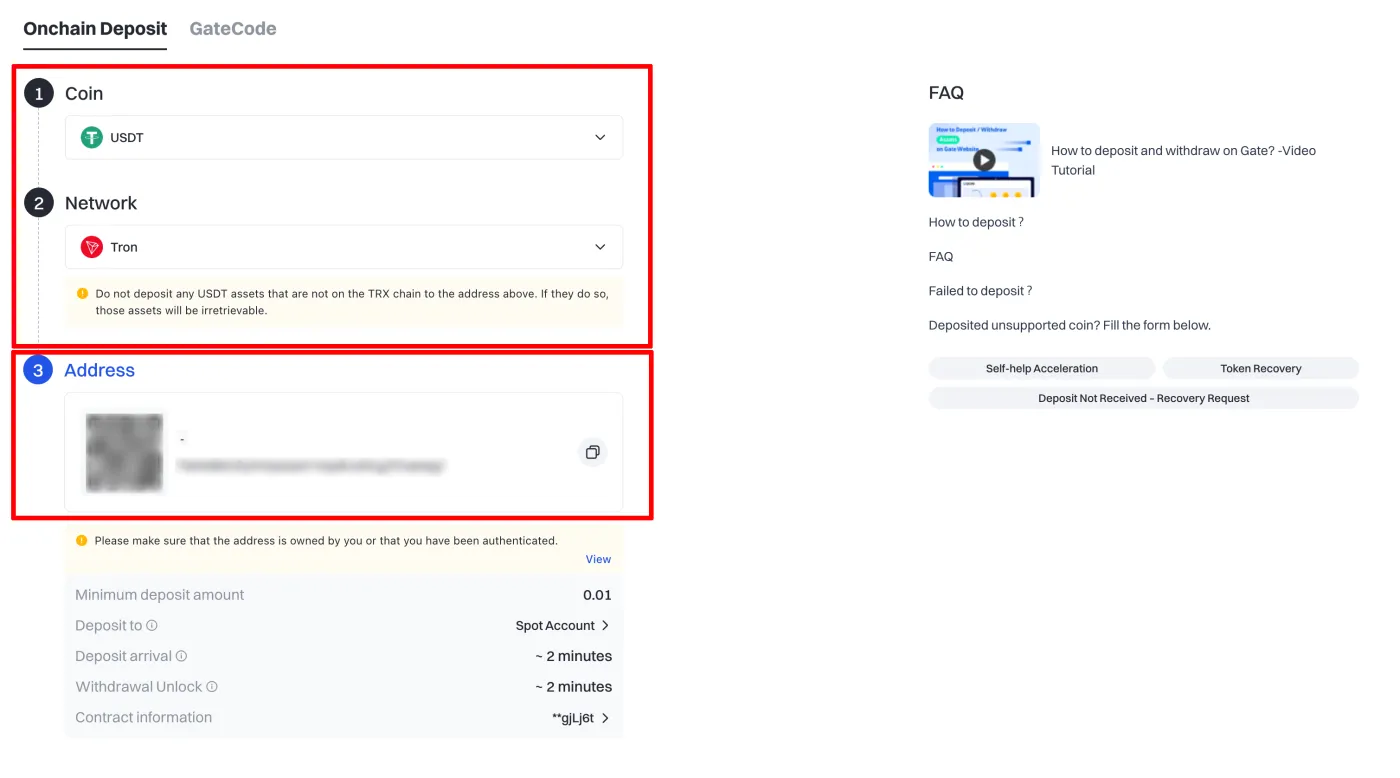
If all the information is correct, click the square copy icon next to the address to copy it.
4. Request a Withdrawal on the External Platform
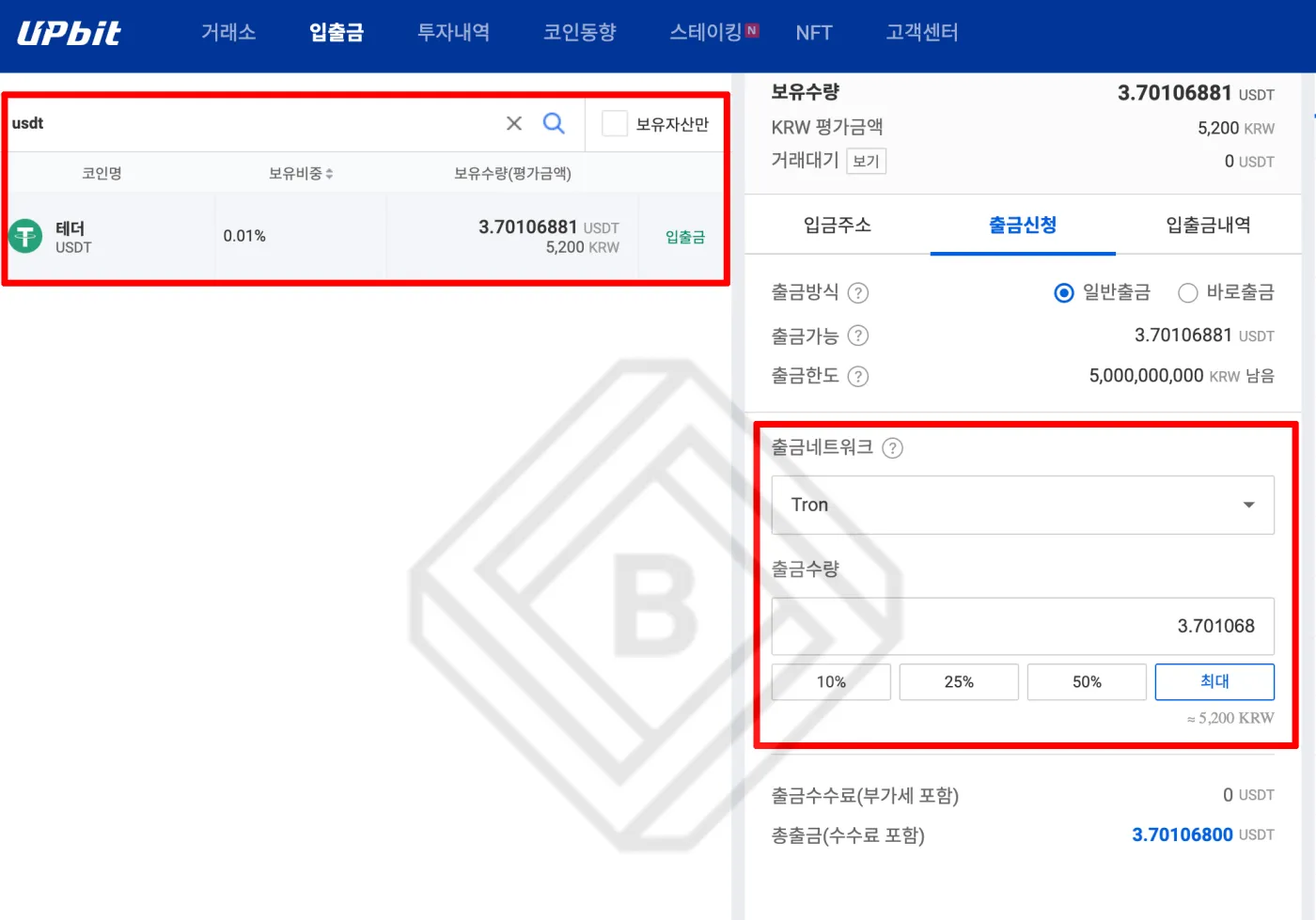
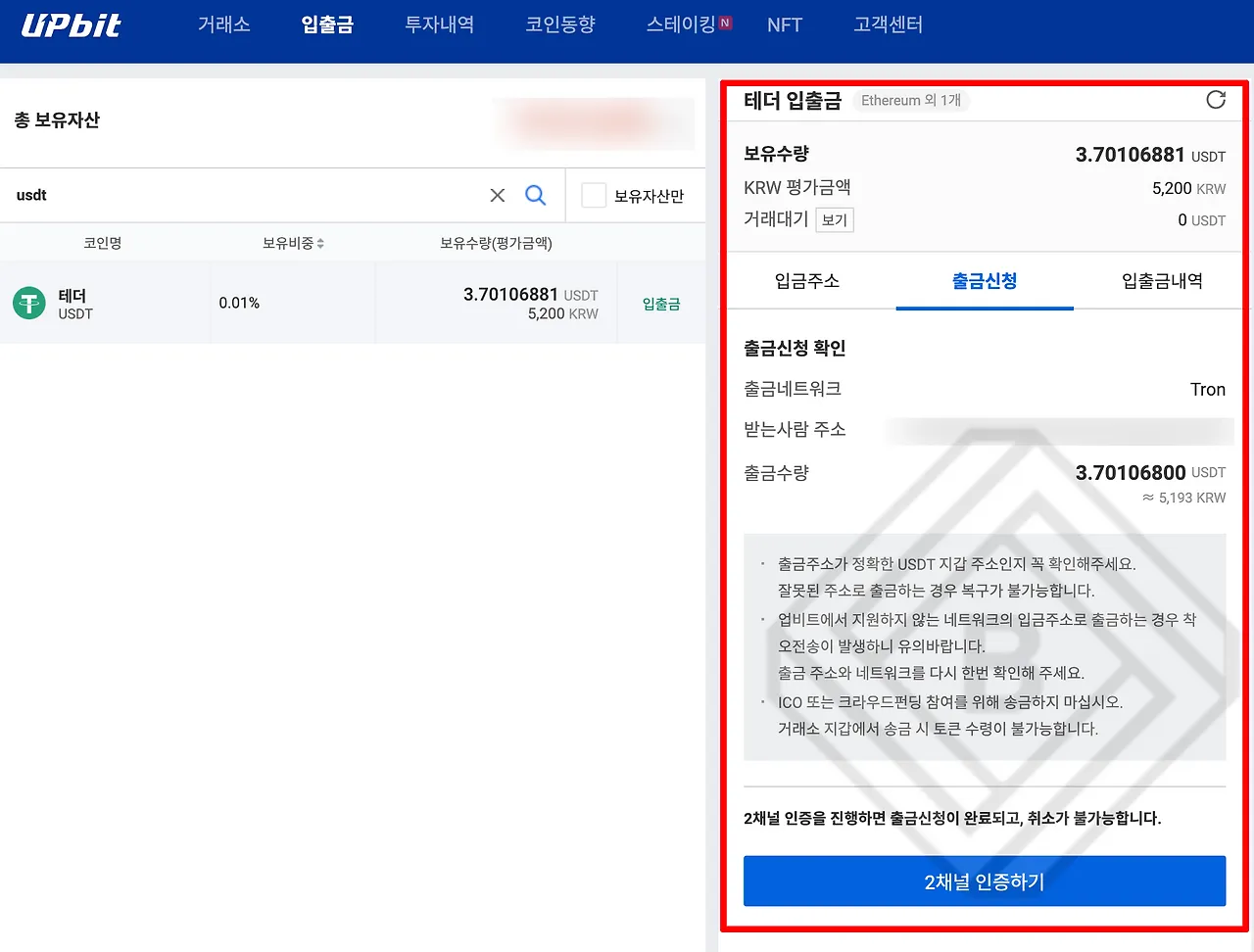
Go to the platform you're withdrawing from, paste the deposit address, and select the correct network. Since we chose to deposit USDT on the Tron network above, simply set it up the same way, as shown below.
5. Deposit Complete
It can take 5 to 10 minutes for the withdrawal platform to process the withdrawal and for the deposit to finally arrive on Gate Exchange.
Wrapping Up
That covers how to deposit coins to Gate Exchange. When depositing coins, it's important to always double-check that you've entered the correct address, network and amount.
In particular, with transfers made through on-chain transactions, entering the wrong information means your funds cannot be recovered. If you're sending a large amount or aren't yet familiar with the deposit process, it's a good idea to send a small test amount first.