What Is Celestia and Why Is It Getting Attention?
3 min read · · Korean original
Contents 5
Celestia is drawing attention once again after being listed on Upbit, a Korean exchange. In this post, we'll look at what the Celestia coin is and why it's getting attention.

What Is Celestia?
Celestia is the first blockchain to support modular blockchains. A modular blockchain is also called a modular chain. Like a single piece of a cube, it separates the core functions of a blockchain and supports them individually.
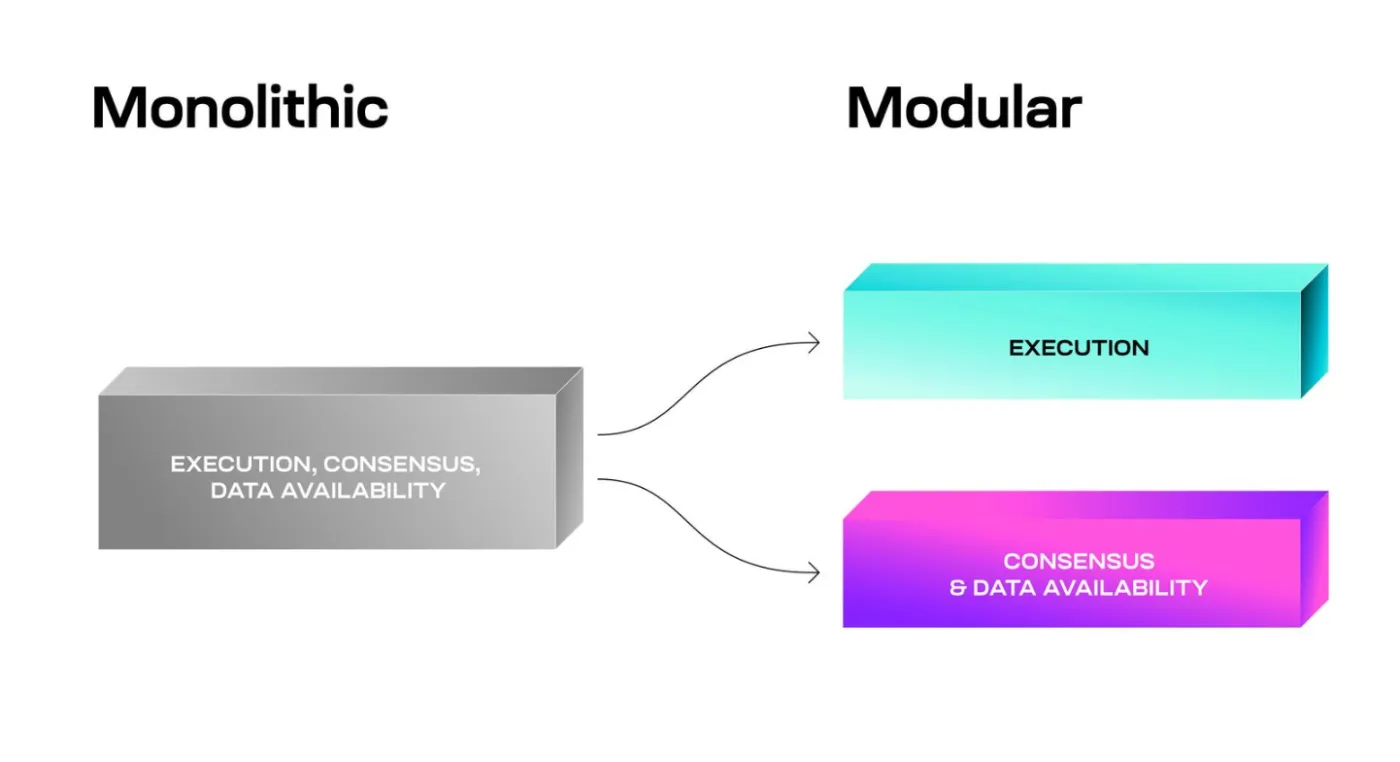
So why are modular chains drawing so much attention? Because they are faster and more scalable than conventional monolithic blockchains like Ethereum.
Conventional blockchains tend to run into a kind of "trilemma," where they can't catch all three rabbits at once: security, decentralization, and scalability. You could say that the arrival of Celestia has offered a solution to this problem, at least to some extent.
Celestia's goal is to efficiently support fast transactions through a modular blockchain structure, while also providing a secure "network specialized in data availability."
Why Is Celestia Getting Attention?
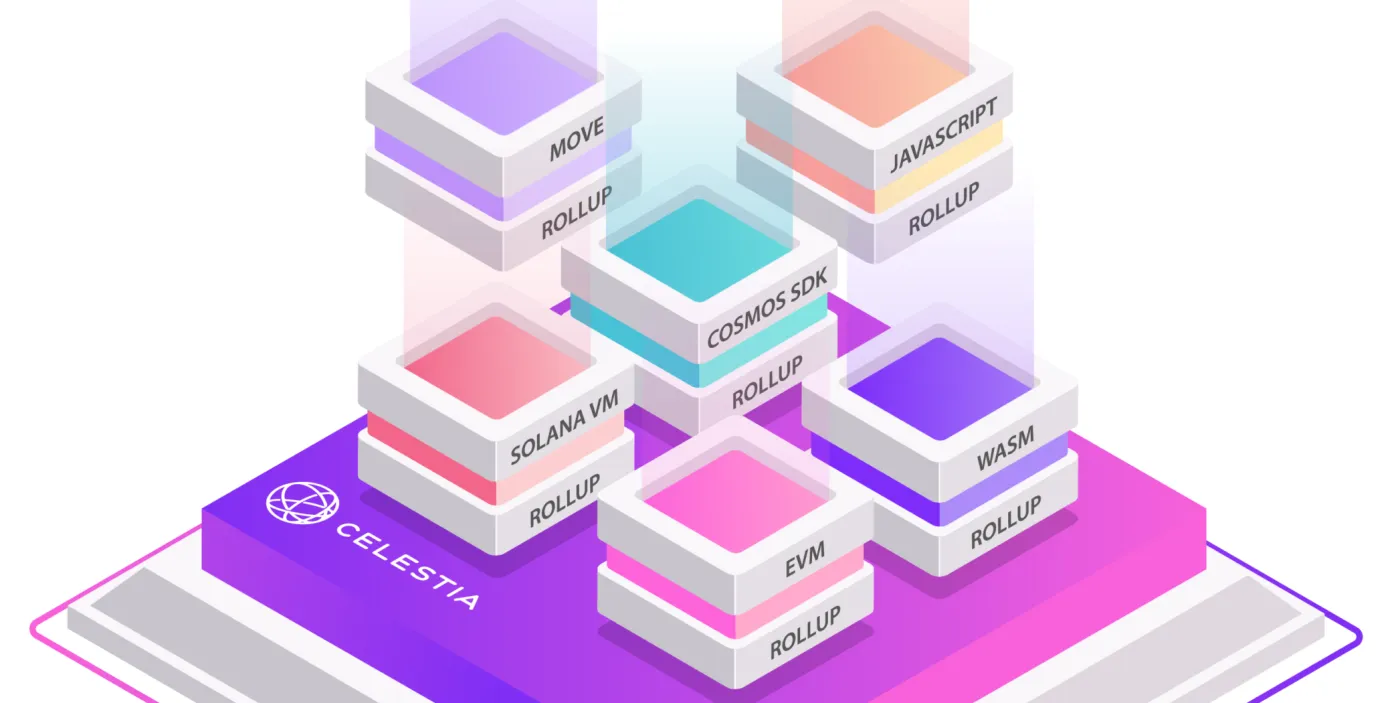
Celestia is not only the first modular blockchain, but also a layer specialized in "data availability." This lets developers freely design the execution layer and easily build their own blockchains.
In addition, its data sampling technology allows even light nodes to verify the integrity of the blockchain quickly and securely. Because anyone can participate easily, decentralization is also easy to achieve.
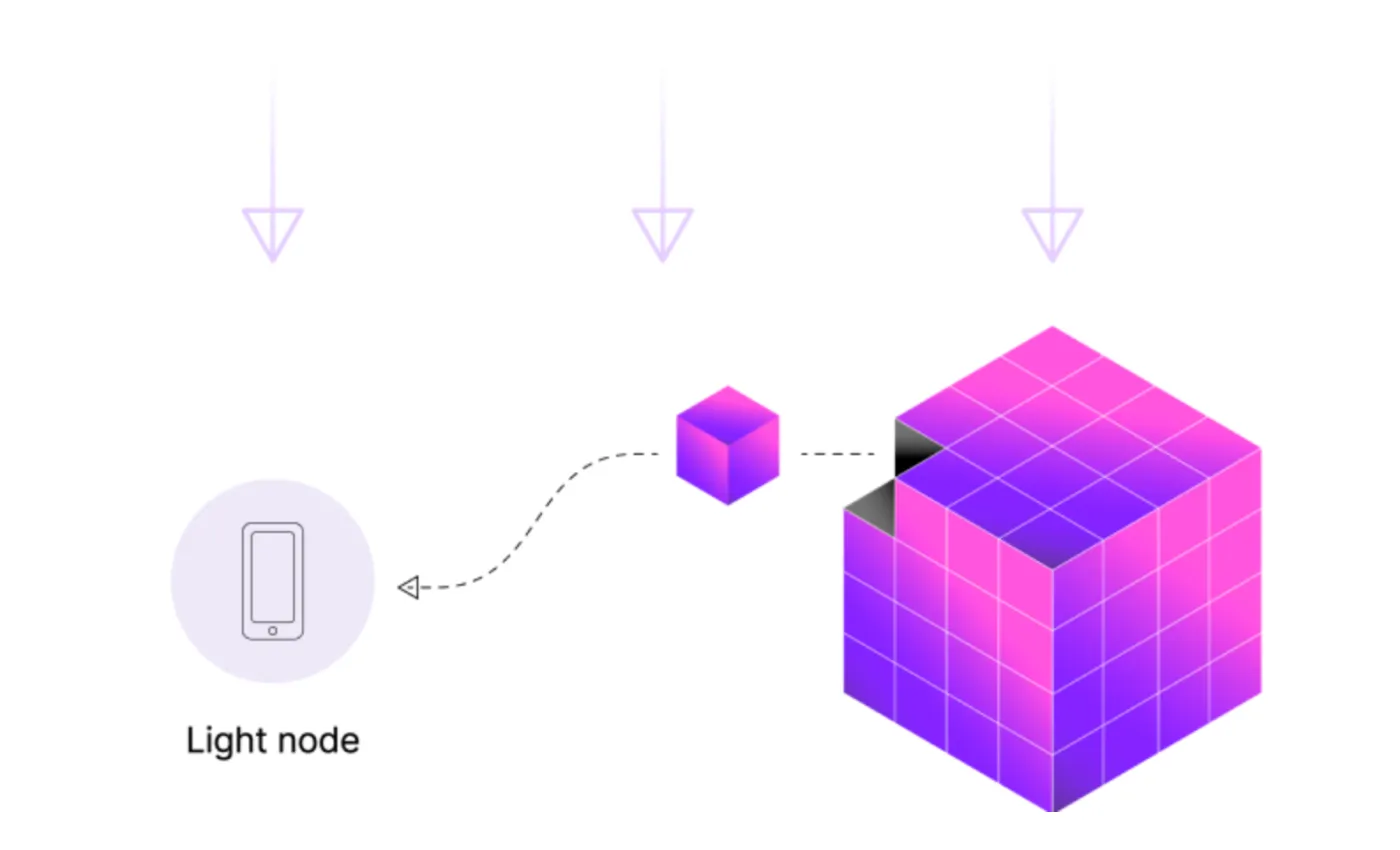
Among these, a sovereign rollup is an independent blockchain with its own rules and execution environment. With it, a wide range of projects, such as games, social media, and dApps, can easily build and run their own blockchains.
What Is the Celestia Coin (TIA)?
Celestia's native coin is $TIA. $TIA is used throughout the ecosystem, including for network security and paying transaction fees.
On Celestia, which uses Proof of Stake (PoS), TIA is the core asset responsible for the network's stability and operation. According to the Celestia whitepaper, the Celestia coin is used as follows.
(1) Paying blob fees
To use Celestia's data availability (DA) layer, rollup developers must submit PayForBlobs transactions, which are paid for in TIA.
(2) Rollup bootstrapping
Just like Ethereum-based rollups, developers can use TIA as a gas token and currency when launching an initial rollup chain.
(3) Proof of Stake (PoS) staking
TIA is used to secure the network and earn rewards through staking.
(4) Participating in decentralized governance
Users who stake TIA can vote on Celestia's governance proposals and take a direct part in decision-making.
The total supply of the $TIA coin is 1 billion, and about 60 million $TIA were distributed through an airdrop at the mainnet launch. The Celestia coin is currently listed and tradable on many exchanges in Korea and abroad, including Binance, Bybit, and OKX.
What Are the Celestia Coin's Tokenomics?
The Celestia coin's tokenomics are as follows. As you can see in the chart below, a large share of the coin's supply was allocated to early investors and the team.
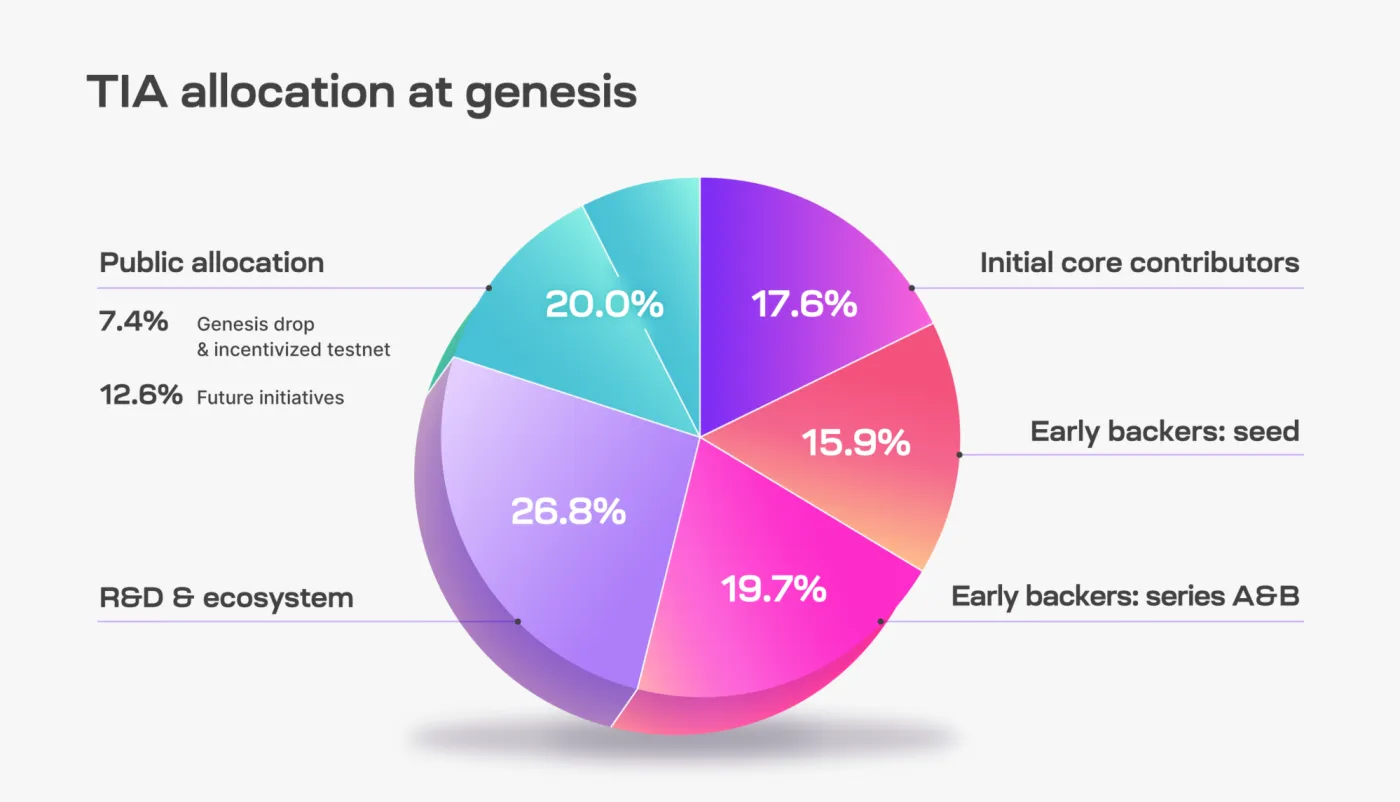
In fact, the Celestia coin has at times fallen sharply from its peak. Meanwhile, $TIA's annual inflation rate is 8%, and it is set to decrease by 10% each year until it reaches a final inflation rate of 1.5%.
Wrapping Up
That wraps up our quick look at Celestia, which is drawing attention once again after its listing on Upbit. As the first modular blockchain solution, Celestia could play a key role in multichain infrastructure going forward.
However, there are many blockchain projects competing with Celestia, such as EigenLayer and Avail. So before investing in Celestia, it's important to do your own research and make a careful decision.