What Is Leverage and How Do You Use It? What Should You Watch Out For?
2 min read · · Korean original
Hello, this is Bitpunk. Leverage is an investment strategy that professional traders use to maximize their returns. At the same time, it is also a very high-risk investment strategy. Today, we'll look at what leverage means, how to use it, and what to watch out for.
What Leverage Means and How to Use It
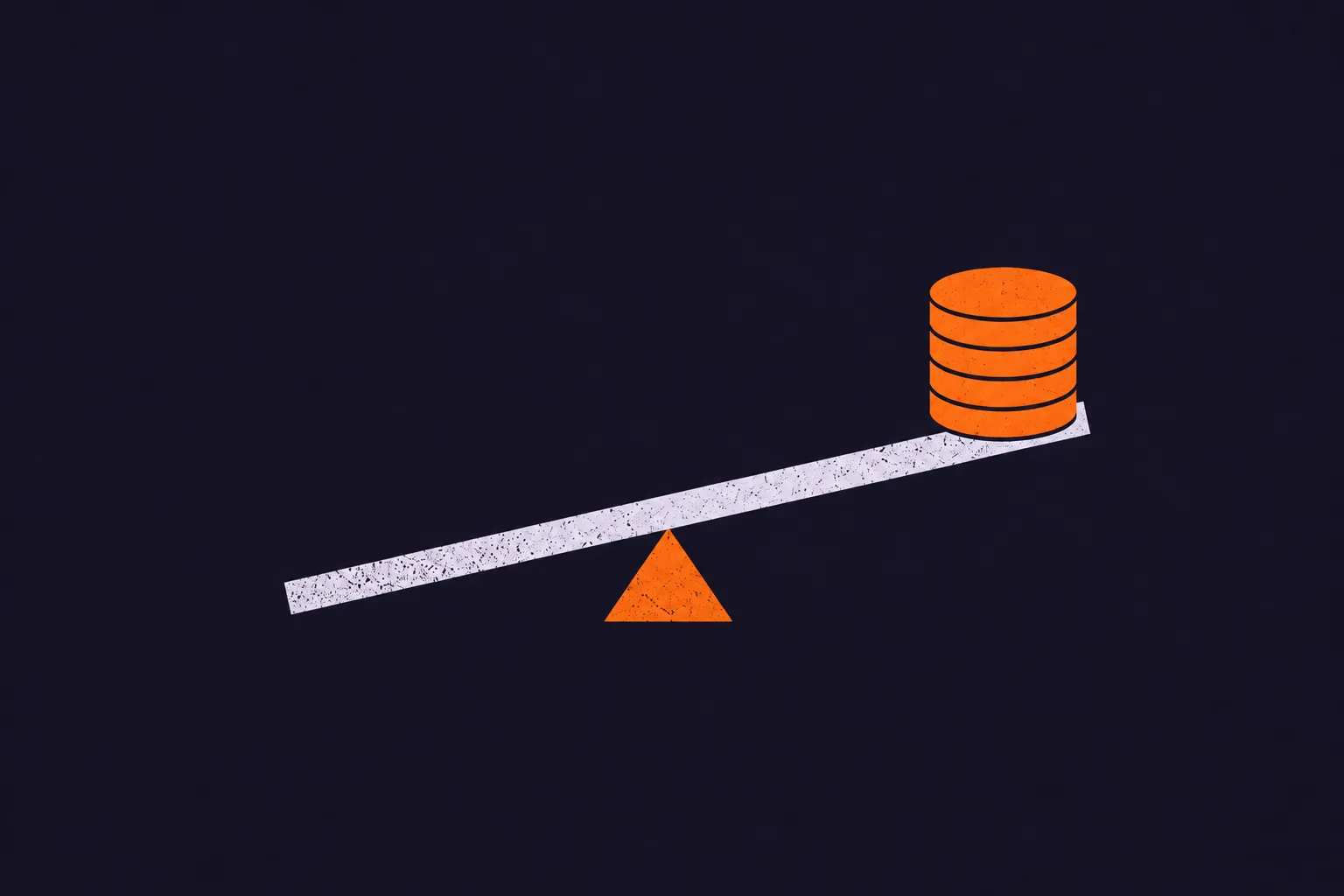
Leverage literally means "using a lever." In other words, leverage means putting up your existing funds as collateral to borrow more funds.
Shall we look at an example? Let's say you borrow funds using 10x leverage. If you borrow with 10x leverage on KRW 1,000,000, you can now trade with KRW 10,000,000.
So if the stock you bought rises by 1%, instead of earning KRW 10,000 as before, you can now earn KRW 100,000. That is the effect of leverage, and it's what an investment strategy using leverage is all about!
Most crypto/stock futures and margin trading platforms offer this kind of leverage. The problem is that, when things go the other way, you can also lose 10 times as much.
If you're trading with 10x leverage and the asset's value drops by 5%, you could lose 50% of your original funds.
As you can see, leverage is a useful tool when used well, but it can also cause big losses in an instant, so it's best for beginners not to use it.
How to Adjust Leverage and What to Watch Out For
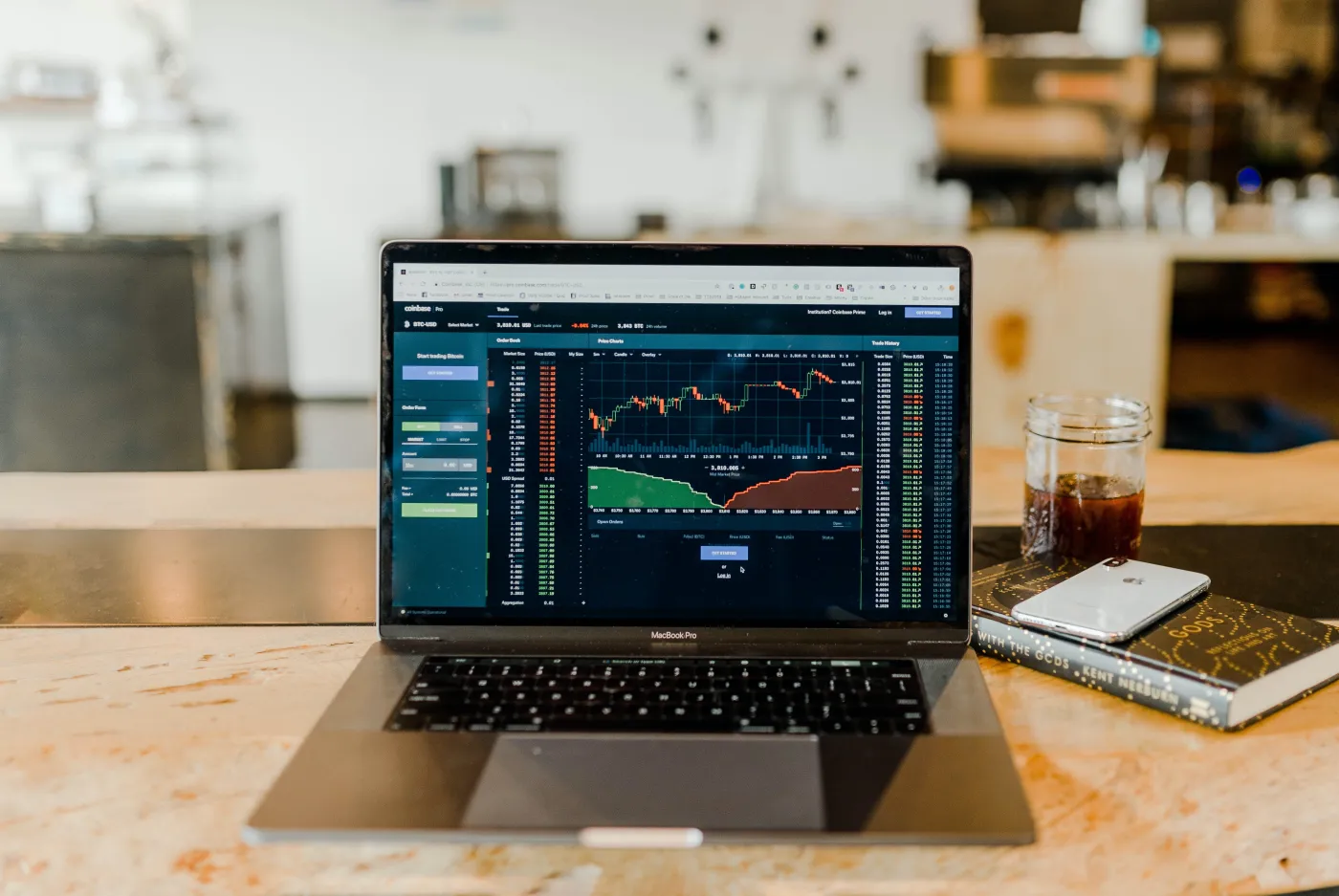
Here's how leverage is usually adjusted. On Bybit, which I use, you can easily adjust leverage in the order window like this.
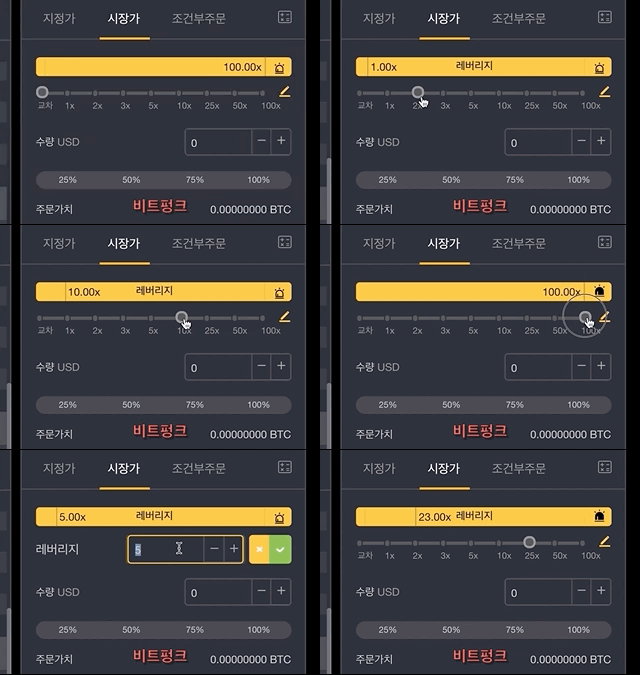
There's one thing to be careful about here. When you trade with leverage, the trading fees are leveraged too. In other words, if the trading fee was originally 0.1%, it becomes 1% when you use 10x leverage, and a whopping 10% when you use 100x leverage.
Another thing to watch out for is the risk of liquidation. Depending on the leverage ratio, a price is set at which your collateral gets liquidated. The higher the leverage, the higher the chance of liquidation.
That's why, unless you're an investment professional, it's best to avoid using leverage whenever possible, or, if you really have to, to keep it to a minimum.
That's all for our look at leverage. If you found this post helpful, please tap the heart below and share it. Thank you.