Hard Forks and Soft Forks Explained
5 min read · · Korean original
Contents 8
What are hard forks and soft forks, and what makes each one distinctive? In this post, we'll look at what hard forks and soft forks have in common, how they differ, and what they're ultimately for.

What Is a Fork?
Before looking at hard forks and soft forks, you first need to know what a fork is. In blockchain, a fork means a change to the network's rules.
Picturing an excavator makes it easy (in Korean, an excavator is called a "pokeu-lane," which sounds like "fork"). You can compare a fork to an excavator scooping away the existing block rules. Forks are divided into hard forks and soft forks.
A hard fork changes the rules in a way that is not compatible with the previous version of the blockchain network. It's a "hard" change, in other words. That is, once a hard fork takes place, nodes running the previous version of the blockchain network don't follow the new rules, so they can no longer take part in the blockchain network.
A soft fork improves the rules in a way that is compatible with the previous version of the blockchain network. It's a "soft" change, so to speak. Once a soft fork takes place, nodes running the previous version of the blockchain network can still take part in the blockchain network even without following the new rules.
| Fork | Scope of change | Compatibility of the change |
|---|---|---|
| Soft fork | Changes the blockchain's rules but stays compatible with previous versions of the software | Users running previous versions of the software can still take part in the blockchain network |
| Hard fork | Changes the blockchain's rules and is not compatible with previous versions of the software | Users running previous versions of the software cannot take part in the blockchain network unless they follow the new rules |
Why Do Forks Happen?
So why do these forks happen in the first place? Basically, forks are used to improve the security and functionality of a blockchain network.
For example, a hard fork can increase the block size or add new security features. A soft fork can improve the blockchain network's code or add new features.
Fork Examples
Here are some examples of forks that actually took place in the blockchain ecosystem.
- 2017 Bitcoin hard fork: A Bitcoin (BTC) hard fork was carried out to increase the block size to 2MB. Bitcoin Cash supporters wanted to increase the block size, but Bitcoin supporters opposed it. As a result, Bitcoin Cash (BCH), with higher transaction throughput than the Bitcoin network, was born, and the two communities split.
- 2016 Ethereum hard fork: The Ethereum hard fork was carried out to resolve a theft of funds involving the Ethereum Foundation. As a result, the Ethereum network split into Ethereum Classic and Ethereum.
Pros and Cons of Forks
Forks are carried out to improve a blockchain network's security and performance. However, a fork can split the blockchain network, so it needs to be done carefully.
Pros of Forks
- They can improve the security and functionality of the blockchain network.
- They can add new features.
- They can extend the decentralized nature of the blockchain network.
Cons of Forks
- They can cause the blockchain network to split.
- They can reduce the usability of the blockchain network.
- They can reduce the stability of the blockchain network.
What Is a Hard Fork?
A hard fork is an update to blockchain software. An update made through a hard fork adds new rules that are not compatible with the previous version. In this process, nodes (computers) that follow the new rules connect with one another and disconnect from nodes running the previous version.
New nodes can only communicate with other nodes running the new version. As a result, the blockchain splits, and the network applying the old rules separates from the network applying the new rules.
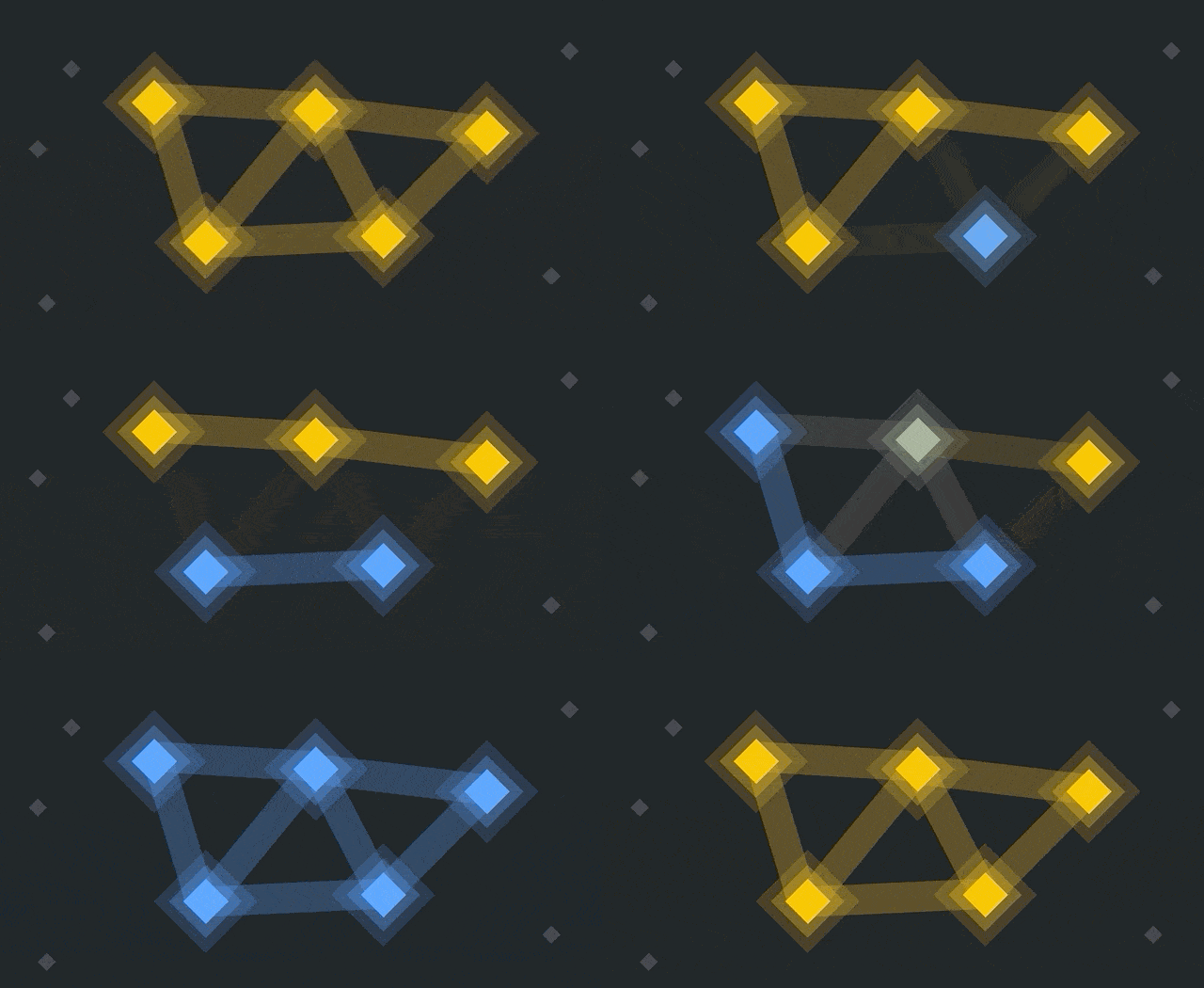
After a hard fork, the two networks propagate blocks and transactions at the same time, but they no longer operate on the same blockchain. Before the fork, all nodes shared a ledger on the same blockchain, but after the fork, they have different blocks and transactions.
What Is a Soft Fork?
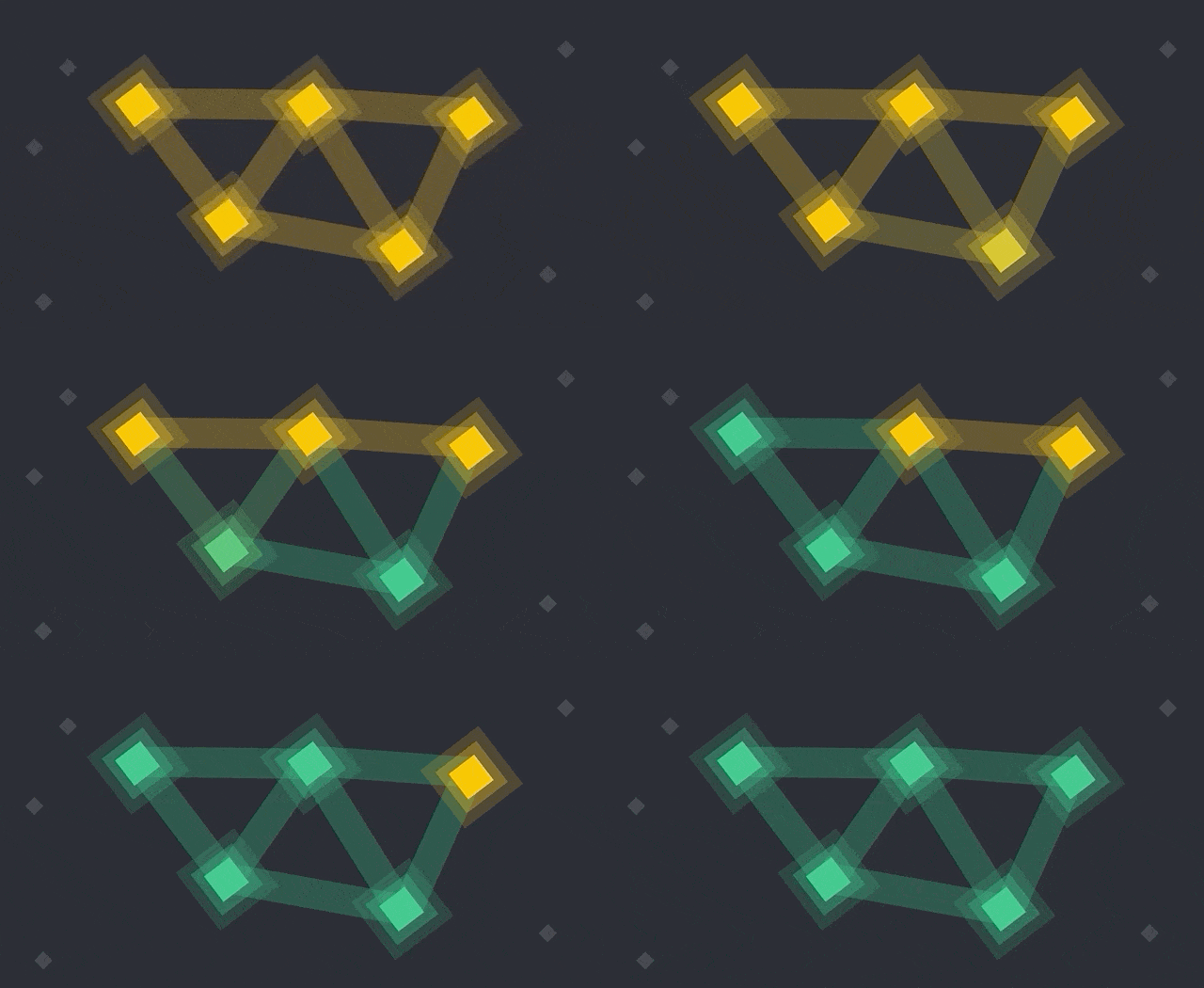
A soft fork is an upgrade that is compatible with the previous version. In other words, upgraded nodes and non-upgraded nodes can still communicate with each other.
A good example of a soft fork is the SegWit (Segregated Witness) update. SegWit changed the format of blocks and transactions, but nodes running the previous version could still validate blocks.
Even two years after SegWit was activated, not every node has upgraded. Although the upgrade has its benefits, it doesn't bring major changes to the network as a whole, so there's no need to rush the upgrade.
Which Is Better: a Hard Fork or a Soft Fork?
Fundamentally, hard forks and soft forks serve different purposes. A hard fork can divide a community, but a well-planned hard fork can thoroughly revise and improve the software with everyone's agreement.
A soft fork is the gentler option. Generally, the new changes don't conflict with the existing rules, and they fix smaller-scale issues. If an update can maintain compatibility, there's no need to worry about the network splitting.
Wrapping Up
That covers hard forks and soft forks. Here's a quick recap of each type of fork, their pros and cons, and the key concepts.
| Fork | Characteristics |
|---|---|
| Hard fork | A rule change and upgrade that is not compatible with the previous version of the blockchain network |
| Soft fork | A rule change and upgrade that is compatible with the previous version of the blockchain network |
| Node | A computer network that takes part in the blockchain network and performs block creation, block validation, transaction processing, and more |
| Pros | Improves the security and functionality of the blockchain network. Can add new features. Maintains the decentralized nature of the blockchain network |
| Cons | Can cause the blockchain network to split. Can reduce the usability of the blockchain network. Can reduce the stability of the blockchain network. |