What Are XRP and Ripple?
4 min read · · Korean original
Contents 6
Hello, this is Bitpunk. Today we'll look at what XRP (Ripple), a coin much loved by Koreans, actually is, and what its outlook may be.
Did you know? XRP and Ripple are two completely different things. Many people think of "Ripple" as a coin, but Ripple is actually the company that developed the XRP coin, and Ripple itself is not a coin.
What Is Ripple?
Ripple is commonly known as a coin, but strictly speaking, it refers to the company Ripple. Ripple is a company that developed a payment network called RippleNet to process international remittances around the world quickly. Ripple aims to replace SWIFT, the existing international remittance system.
To achieve this goal, Ripple works closely with banks and financial institutions around the world, including Banco Santander, Standard Chartered, Mitsubishi, and SBI Holdings.
What Is the XRP Coin?
XRP is the digital asset used on RippleNet. In other words, the coin we buy and sell on exchanges is XRP. Recently, Korean exchanges such as Upbit and Bithumb also changed the coin's name from Ripple to XRP. So it is now labeled correctly.

The total supply of XRP is fixed at 100 billion coins, and transactions are fast, taking around 3 seconds. Gas fees are also around 0.00001 XRP, which makes them practically free.
As you can see, XRP's big advantages are that it can process transactions faster than the traditional financial system and that its transaction fees are almost nonexistent.
Analysis of XRP Supply and Circulation
The total supply of Ripple (XRP) is 100 billion coins, and as of March 2025, about 57.76 billion are in circulation. Ripple currently holds about 4.79 billion XRP directly, and an additional 37.43 billion are locked up in escrow accounts.
This escrowed amount is released at a rate of 1 billion per month, but any unused portion is put back into escrow, preventing an excessive amount from flooding the market.
Starting in December 2017, Ripple placed 55 billion XRP into escrow accounts and introduced a system of releasing 1 billion each month. This is regarded as a measure to manage XRP's liquidity and maintain market stability.
Meanwhile, on the XRP network, small amounts of XRP are burned through transaction fees, and about 1 million have been burned so far. This burn mechanism gradually reduces the total supply.
What Are Ripple's Technical Features?
Ripple operates RippleNet through three core technologies: XCurrent, XRapid, and XVia. Let's take a closer look at the features of each.
1. XCurrent
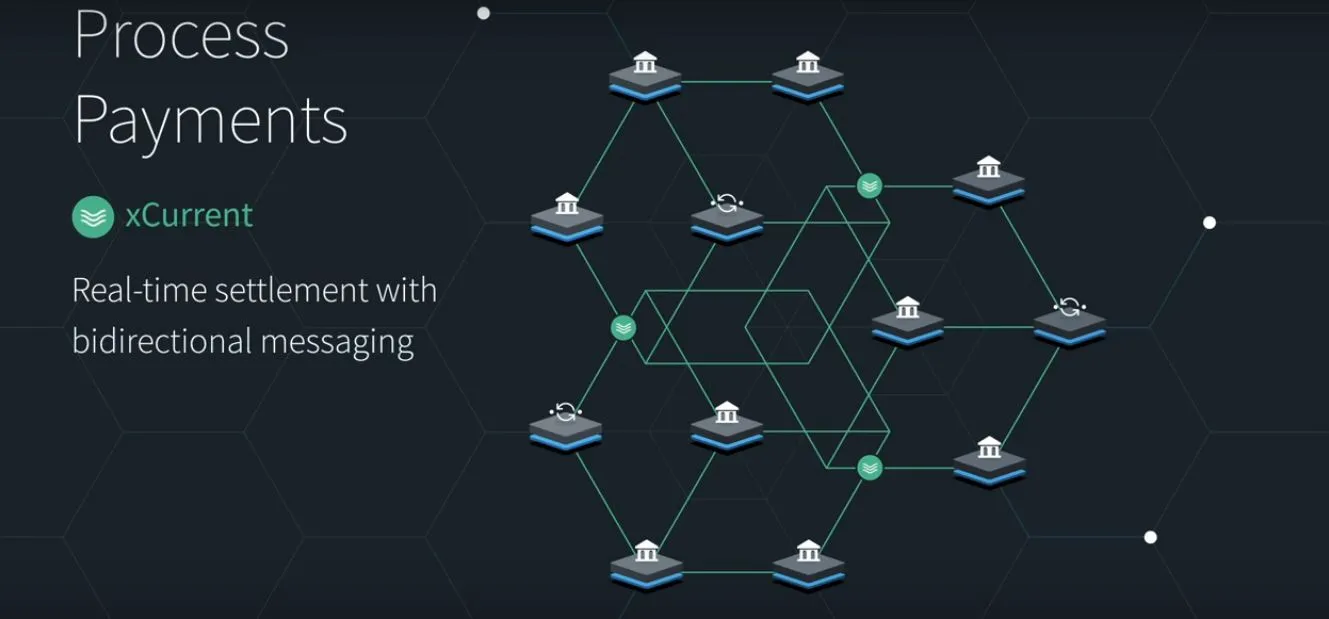
XCurrent is a solution that offers much faster payment speeds than SWIFT, the existing international remittance system, and can process international remittances in just a few minutes. It also reduces intermediary costs by connecting banks across borders, and financial institutions can keep using their existing currencies (USD, EUR, KRW, etc.).
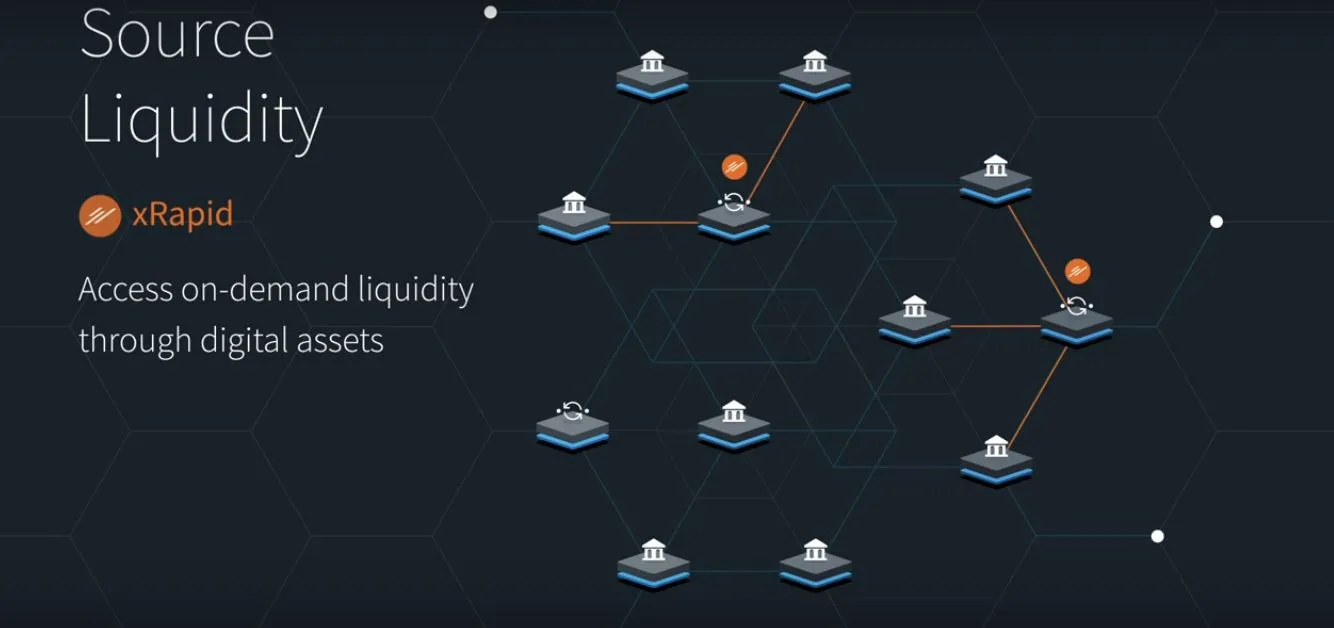
2. XRapid
XRapid processes remittances using XRP, with XRP serving as a bridge asset. By converting a central bank's fiat currency into XRP before sending it, it lowers fees and enables fast transactions. However, because the price of XRP changes in real time, separate measures such as hedging may be needed to send and receive large amounts.
3. XVia
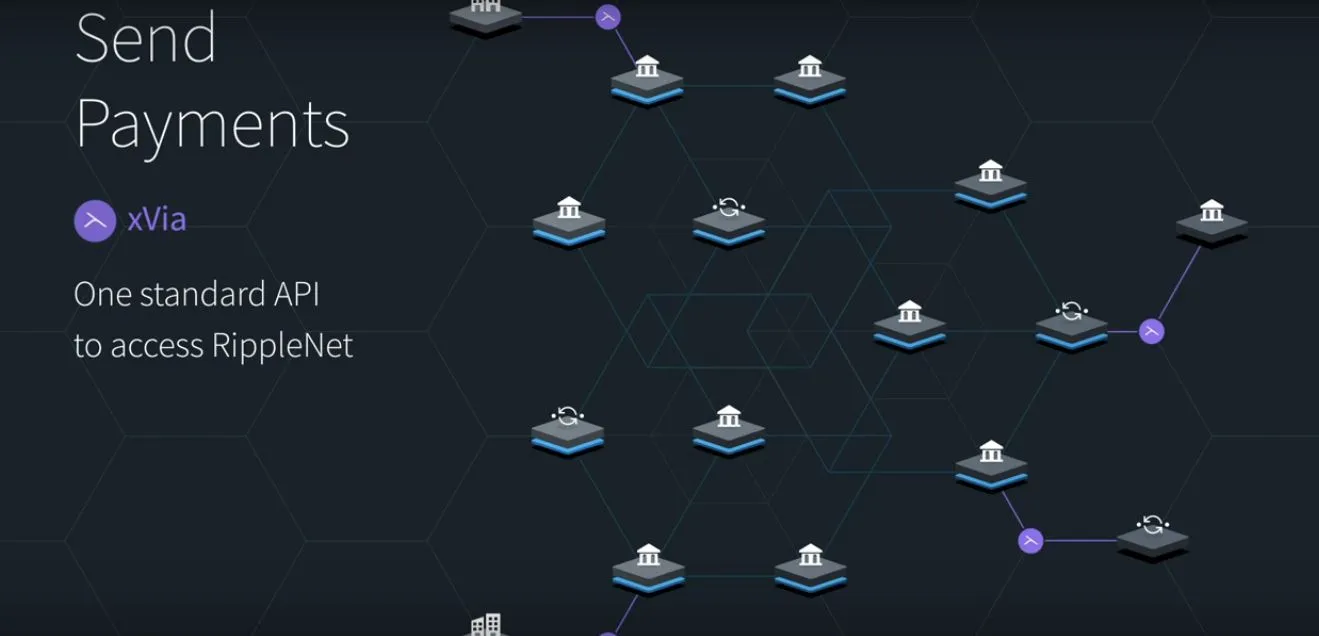
XVia is a payment API that makes it easy for businesses and individual users to use RippleNet. Not only financial institutions but also businesses and individual users can use it easily, and it supports international payments using blockchain technology by connecting to decentralized exchanges. Also, unlike XCurrent and XRapid, it can offer a variety of payment services through RippleNet.
The History of Ripple and the SEC Lawsuit
The legal dispute between Ripple and the U.S. Securities and Exchange Commission (SEC) began in 2020 and has continued into 2025. In July 2023, Judge Analisa Torres of the U.S. District Court for the Southern District of New York ruled that sales of XRP on exchanges were not securities, but that direct sales to institutional investors constituted unregistered securities. As a result, Ripple was fined about $125 million in August 2024.
How to Buy XRP
XRP (Ripple) is currently listed on most Korean exchanges, including Upbit and Bithumb. You can also buy XRP on overseas exchanges such as Binance and Bybit.