What Is a Security Token (STO)?
3 min read · · Korean original
What is a security token (STO)? As the name suggests, a security token is a security that has been tokenized. It has a lot in common with ordinary securities, but the difference is that it runs on a blockchain, just like cryptocurrency. If you'd like a more detailed explanation of security tokens, how they differ from traditional securities, and why people use them, be sure to read this post.
What Is a Security Token?
So what exactly is a security token? Let's start by breaking the term down into "security" and "token." After all, every name has a meaning. As you probably know, a security is a document or piece of data that guarantees a certain value. The concept of a token may be a little less familiar. It refers to data that has been tokenized into tradable units on a blockchain. For example, if Tesla stock were issued as a security token, it would be the same as a Tesla token being issued on a blockchain. To sum up, a security token is digital data created by tokenizing a traditional security into a form that can be exchanged, traded, and transferred on a blockchain.
Features of Security Tokens
However, a security token isn't simply a digitized version of a traditional security. Its biggest feature is that it operates on a blockchain. Because of this, security tokens are more transparent than traditional securities and can be traded 24 hours a day, 365 days a year. They can also make use of smart contracts, which run according to predefined programs.
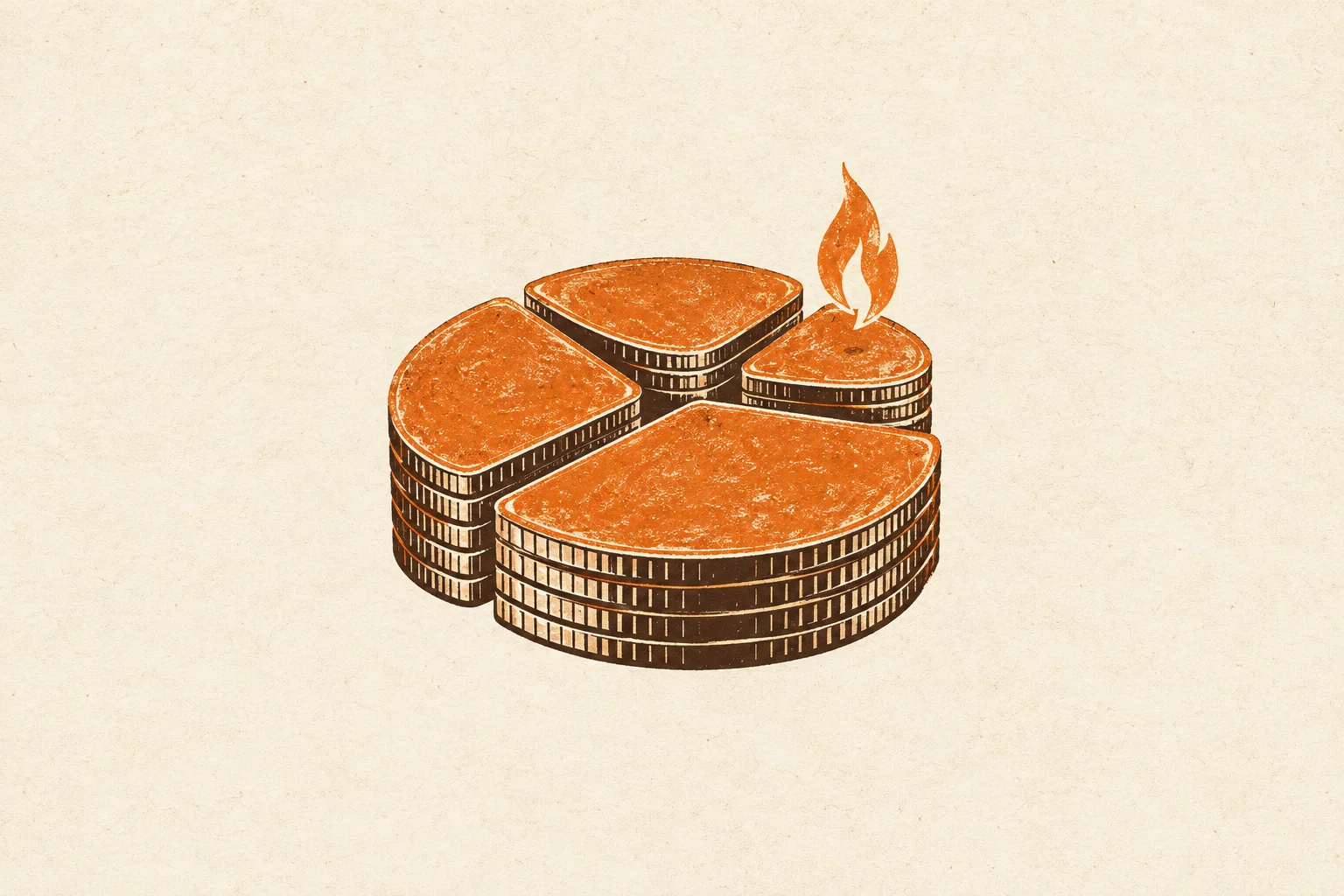
On top of that, security tokens allow the underlying asset to be divided into tokens and traded. For example, if a Picasso painting were tokenized, a work that used to exist as a single piece could be split into hundreds of fragments and traded. In other words, you could invest in a portion of a Picasso painting and trade it.
Security tokens are usually sold through an STO (Security Token Offering). In that sense, the sales method is similar to that of utility tokens, which go through a cryptocurrency ICO (Initial Coin Offering) or IEO (Initial Exchange Offering), but security tokens are subject to much more regulation. This is because, unlike ordinary tokens, an external institution assigns the token a value equivalent to a security.
Why Use Security Tokens?
So why use security tokens? Because they can take advantage of the features of a blockchain. Users want more transparency in how securities are structured, distributed, and managed, and now anyone can verify this simply by looking at the token's ledger. Security tokens can also be traded 24/7, and even securities worth substantial amounts can be transferred and traded almost instantly. In addition, companies that issue and manage tokens using smart contracts can save significantly on operating costs and offer investors more finely divided products.
Wrapping Up
Security tokens are still in the experimental stage. You can issue security tokens on platforms such as Ravencoin and Polymath, but since blockchain, smart contracts, and tokenization are all new concepts and technologies, it's clearly still too early for them to replace traditional finance. Before long, though, companies will start adopting security tokens on an experimental basis, and they may become more mainstream.
That wraps up our look at security tokens.