What Is the USDT0 Stablecoin and Why Is It Getting Attention
3 min read · · Korean original
Contents 5
Hello, this is Bitpunk. In this post, we'll look at what the USDT0 stablecoin is and why it's getting attention. USDT0 has a similar name to USDT, but there are a few clear differences between them. So why did Tether launch a new stablecoin called USDT0?
The Background Behind USDT0
As the crypto ecosystem and DeFi grew rapidly, a variety of Layer 2 solutions emerged. Notable examples include Arbitrum, Optimism, Base, Berachain, and Hyperliquid. These Layer 2 blockchains offer strong scalability and have the advantage of being fast and cheap.
But problems started to appear, namely compatibility between the different layers. Let's take the example of USDT, the most widely used stablecoin, existing on different chains.
It's clearly the same USDT asset, but because it sits on a different network, using it on another network always required going through a bridge or a separate conversion process.
USDT0 was introduced to solve exactly this problem. USDT0 is an omnichain stablecoin launched by Tether that offers seamless compatibility across chains.
What Is USDT0?
USDT0 is a new form of USDT built on LayerZero's Omnichain Fungible Token (OFT) standard. It is deployed on multiple Layer 2 chains, yet it can be transferred between chains without any bridging or wrapping.
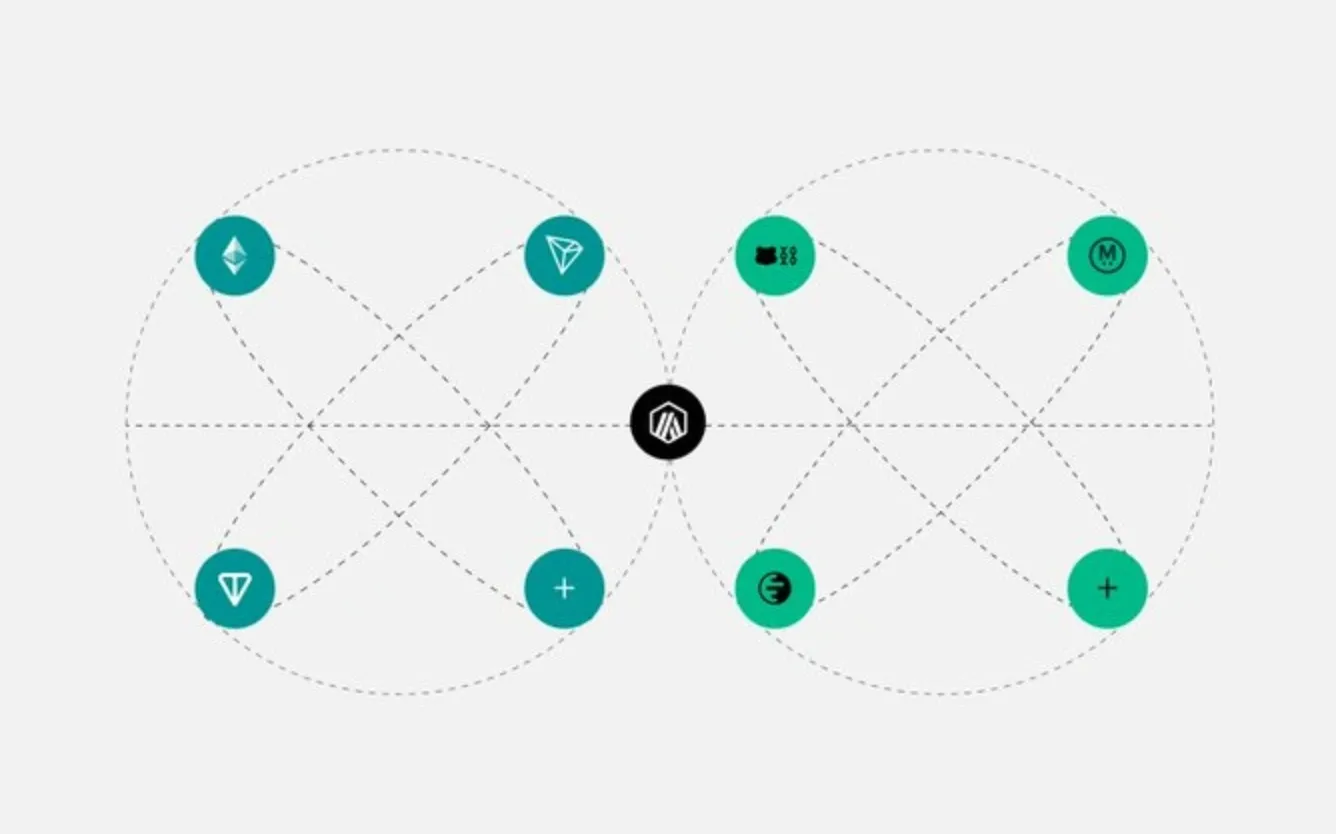
USDT0 is matched 1:1 with native USDT, and its big advantage is that it can unify liquidity across chains into a single pool. For example, you can burn USDT0 on the Arbitrum chain and mint the same amount on Berachain.
In this case, users don't have to carry out any bridging themselves. Every request is handled automatically through LayerZero's cross-chain messaging system.
How Are USDT and USDT0 Different?
With USDT, a bridge is essential for moving between chains. Wrapping is also required, and each layer has its own standards. As a result, liquidity is fragmented across chains, and security is inherited from each respective layer.
USDT0, on the other hand, needs no separate bridge to move between chains, and no wrapping either. As a result, it can offer unified liquidity, and because it follows the OFT-based standard, it inherits LayerZero's security.
Which Chains Does It Support?
USDT0 is currently supported on Arbitrum, Optimism, Polygon, Unichain, Berachain, X Layer, and more. X Layer is a Layer 2 blockchain developed in-house by the OKX exchange, and it stands out for supporting both OKX Wallet and the exchange at the same time.
Frequently Asked Questions (FAQ)
Q1. How is USDT0 different from the existing USDT?
USDT0 is an omnichain stablecoin that has a single, unified identity across multiple chains and can be transferred without bridging or wrapping.
Q2. Which Layer 2s can I use USDT0 on?
You can use it on Arbitrum, Optimism, Hyperliquid, Unichain, Berachain, X Layer, and more.
Q3. Are there bridge fees when transferring USDT0?
No. Transfers are handled through LayerZero's underlying messaging, so no separate bridging or wrapping is needed.
Q4. What do developers need to do to use USDT0?
By using smart contracts that support the OFT standard, you can integrate USDT0 easily.
Q5. How can regular users use USDT0?
You can easily deposit or transfer it through OKX Wallet, and it is also supported on the exchange.