Day Trading Techniques: How to Day Trade Well? Is the Entry Point Not All That Matters?
5 min read · · Korean original
In this post, we explain how to day trade well. Why do so many people day trade to make money, only to end up losing it? How can you profit from day trading without taking heavy losses?
According to research by a University of California team, a large number of retail investors were found to lose money because they don't manage the risk of their asset portfolio and day trade too aggressively and too frequently in products they don't understand well.
So is there a technique for day trading well? Interestingly, you just need to apply the findings of that research in reverse: manage the risk of your asset portfolio, and trade carefully and as defensively as possible in products you know well.
Day trading is by no means, as many people think, simply a matter of an entry point that catches the moment the market rises. Day trading requires you to prepare not only for market conditions, but also an understanding of the asset, your initial capital allocation and target return, your risk tolerance, and your response strategy. It is a fairly complex and difficult trading technique. In other words, it's the domain of expert traders. If you're a beginner, swing trading is a better fit than scalping-style approaches like day trading.
Understanding Day Trading
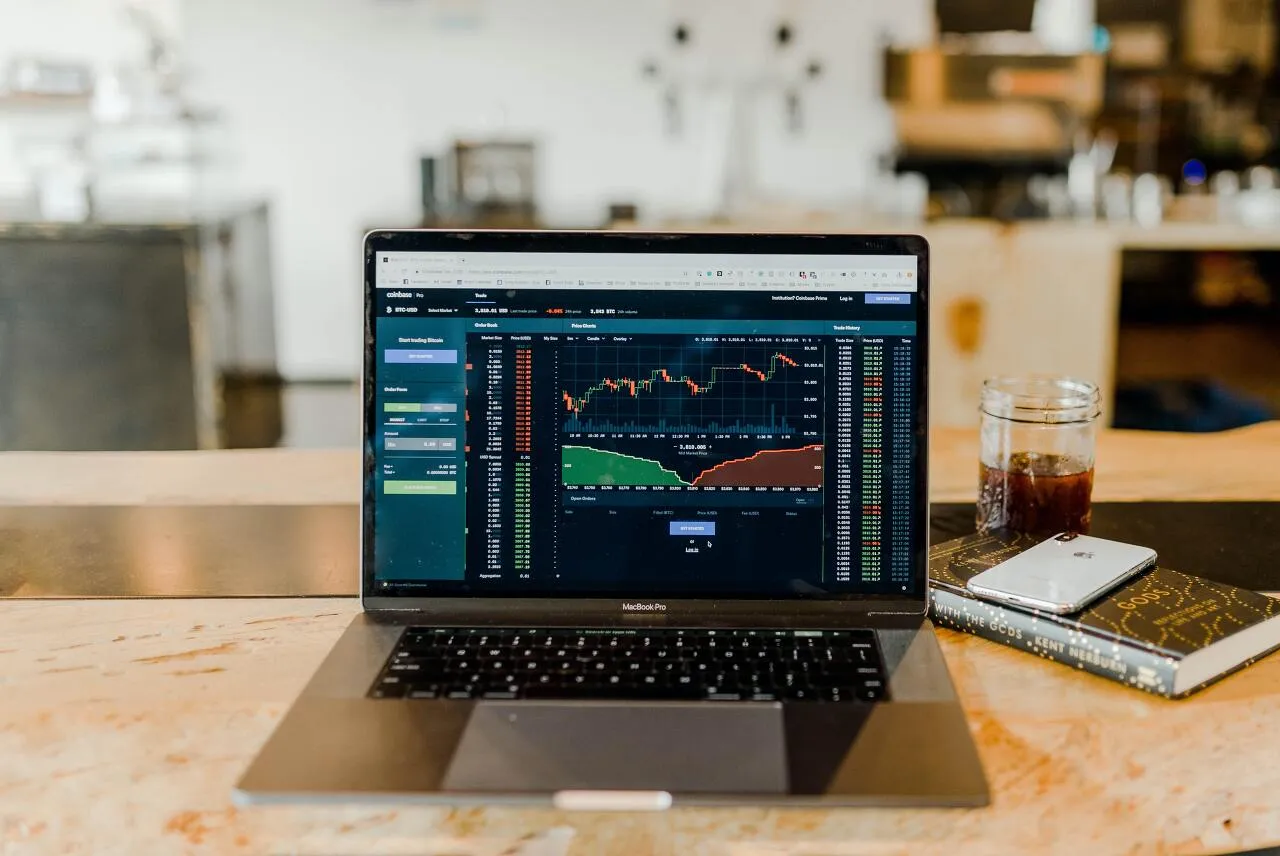
Let's look at the definition of day trading. What is day trading? Day trading is a trading technique in which you hold a position for as little as a few minutes or as long as a few hours in markets such as stocks, options, futures, crypto, commodities, and currencies, and then sell it. In this way, the goal of day trading is to profit from short-term price movements.
Day traders usually don't hold positions overnight. Before the market closes, they either take their profit or accept their loss. This is because they can't predict how the market will change the next day, so they close their positions while things are still within a controllable range. It's a way of managing risk. It's true that cutting losses is especially hard when you're in the red, but successful day traders all stress the importance of stop-losses.
As mentioned earlier, when day trading you need to prepare not just for market conditions, but also your initial capital and target return, your risk tolerance, your investment strategy, and your response strategy. Contrary to what many people think, day trading is not just a matter of an entry point that catches the moment the market rises. No matter how well you time your entry, it's useless if you can't take profit. And when you don't time your entry well, you need to cut losses and respond appropriately to minimize the loss of your precious assets.
Skilled day traders who have prepared all of the points mentioned above sometimes use a strategy of maximizing returns with leverage. Of course, if the market moves against their prediction, losses can easily be magnified too.
How to Day Trade Well
So how can you day trade well? Building a strategy for successful day trading should start with recognizing market risk and deciding how much of that risk you're willing to take on. The most common and most important rule is to set a stop-loss and think about your take-profit zone before opening a position. It's an extremely basic principle and a technique everyone knows, but the reality is that very few people actually apply it properly.
So at what level should you place your stop-loss order? Most professional day traders don't risk more than 1% of their portfolio on a single trade. In other words, if your total assets are worth KRW 50 million, you should place your stop-loss at a level that closes the position before a loss of more than KRW 500,000 occurs. If you stick to this strategy, one or two failed trades won't cause a big loss to your overall capital. You can raise that ratio to 2–3%, but what matters is sticking to the principles you've carefully set.
Another important point for successful day trading is to keep a journal after finishing every trade. Later, if you turn your trading journal into data and review it, you can identify your strengths and weaknesses and develop a strategy based on them. In other words, you become a better day trader than you were yesterday.
Day trading in particular involves paying a lot of fees. So to keep earning steady profits from day trading, it's also important to choose an exchange with low fees from the start. At the same time, you should avoid exchanges whose fees are low but whose servers are unstable or prone to problems. Like this, before you start day trading, you should carefully check even basic things like fees.
Wrapping Up
That's a brief look at what day trading means and how to day trade well. To sum up, day trading is a trading technique that profits from the short-term price movements of assets in a market. To day trade well, proper risk management such as placing stop-losses is essential, and you must set your own principles and strategy before you start trading and stick to them.