What Are Open Orders?
2 min read · · Korean original
Hello, this is Bitpunk. In this post, we'll look at what open orders are and how to manage the risks that come with them.
What Is an Open Order?
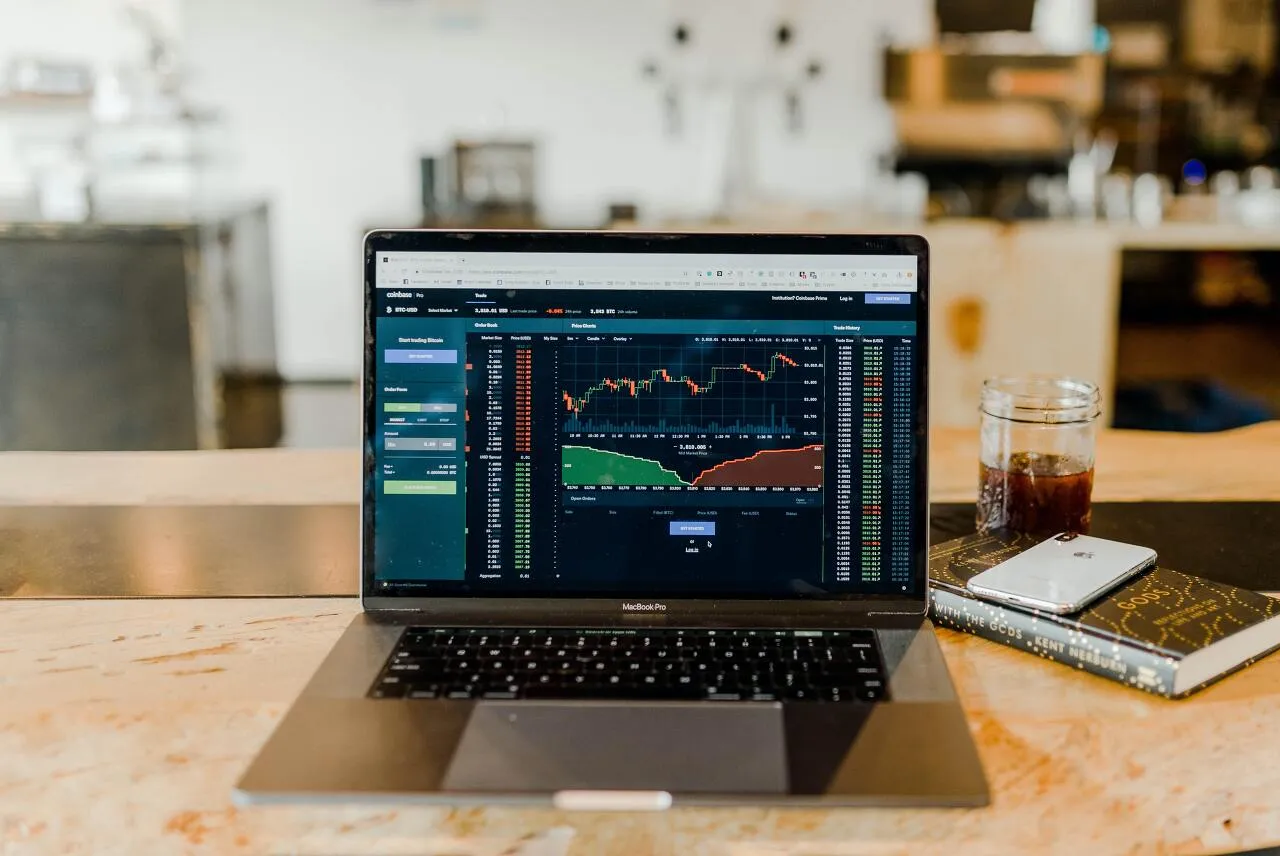
An open order is an order that hasn't been filled yet and remains "open" until the user cancels it or it expires. In other words, it's an order waiting for certain conditions to be met before it can be filled.
Open orders are often conditional orders, such as stop-loss orders. Since they aren't market orders, they may take some time to execute. When the market lacks liquidity, an order may also not execute right away and stay open instead.
-
An open order is an unfilled order that is waiting to be executed in the market.
-
The order stays open until a specified price or certain conditions are met.
-
This is different from a market order, which is filled immediately.
-
Limit orders can usually be canceled, in whole or in part, before they are filled.
Managing the Risks of Open Orders
Leaving open orders in place for a long time can be risky. It means keeping orders open based on past market conditions without responding to market volatility, and if the market moves against you, you could end up with losses. This is especially true when trading with leverage, where such open orders can be dangerous, which is why most day traders don't hold positions overnight.
So when you open an order, you should also think about closing it. In other words, open orders such as stop-loss and take-profit orders should be adjusted to keep up with changing market conditions.
The best approach is to review your open orders every day, or to close your open orders as well when you finish trading. This way, you'll always stay aware of your open orders and never forget about them. Always remember that every order is directly tied to a profit or a loss.