Everything About the OKX Travel Rule: A Must-Have Checklist Before Deposits and Withdrawals
4 min read · · Korean original
Contents 8
In the past, a withdrawal from an exchange went through as long as you had a "wallet address." Since the Travel Rule was introduced, however, exchanges must "share user information in line with international standards."
So even when you withdraw from Upbit or Bithumb to an overseas exchange such as OKX or Bybit, some of your user information has to be collected and shared. In other words, crypto exchanges are now regulated much like traditional financial institutions.
This post focuses on OKX and explains what the Travel Rule actually is, what information is needed in which situations, and the questions users are most likely to have.
Key Takeaways
- What is the Travel Rule? An international regulation that requires the collection and sharing of transaction information, such as the legal names of the sender and recipient and the wallet type, for virtual asset transfers above a certain amount.
- How does OKX apply it? Only users in regulated regions are asked to submit their real name, wallet type, and additional information when withdrawing or depositing.
- What if the information is incomplete? Deposits may be put on hold or withdrawals may be rejected. You'll usually be notified by email and will need to enter the correct information again.
What Is the Real Purpose of the Travel Rule?
The Travel Rule is a standard proposed by the Financial Action Task Force (FATF) to track "who sent how much to whom." It was originally a rule for banks and other financial institutions, but it now applies to virtual asset exchanges as well.
In other words, when you send Bitcoin, Ethereum, or a stablecoin like USDT on a Korean or overseas exchange, the path of those funds will be tracked. The goal is to prevent money laundering and protect users from financial crime.
OKX and the Travel Rule
OKX is rolling out the Travel Rule in stages. In particular, it enforces the Travel Rule more strictly for users in "regulated countries," and Korea is one of those countries.
So as a Korean user, when you withdraw from OKX you must submit the recipient's "legal name" and "wallet type." Especially when withdrawing a large amount to a Korean exchange such as Upbit or Bithumb, the "account holder's real name" must match your "OKX verification information."
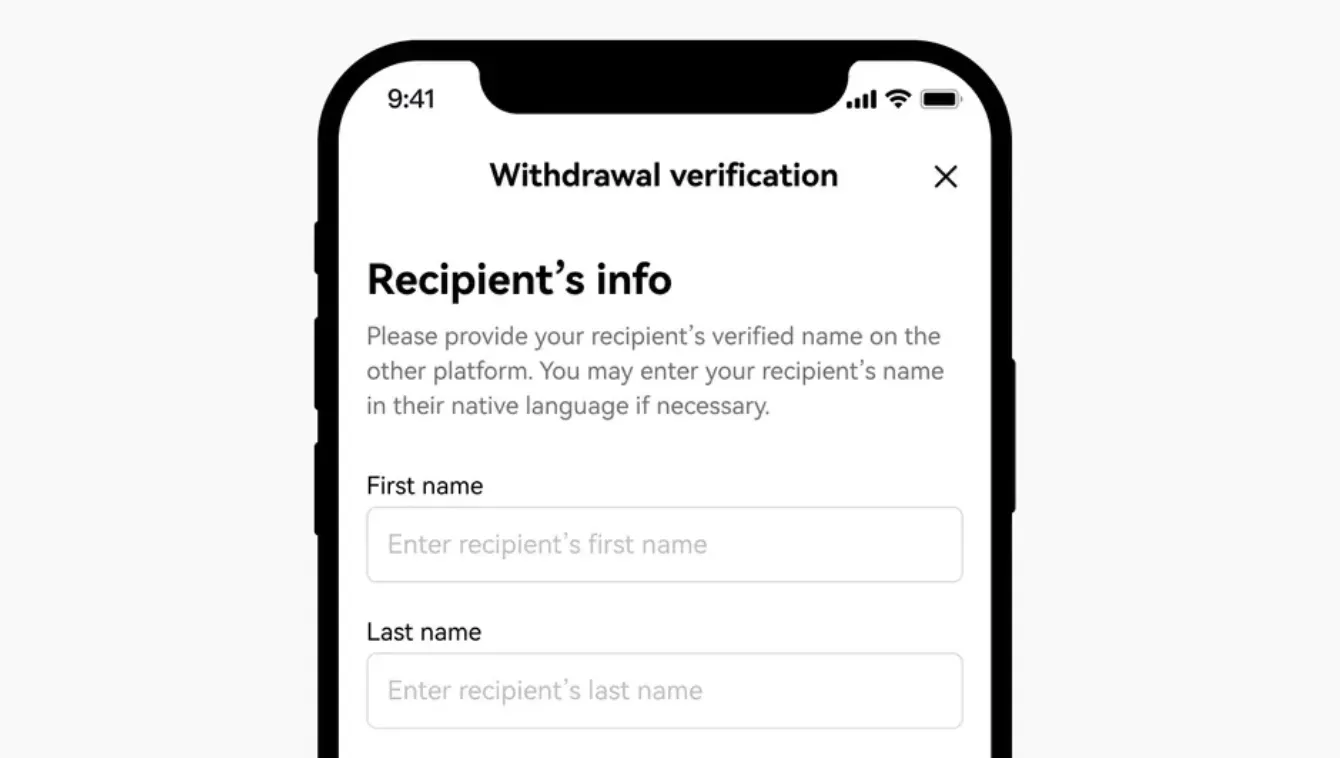
"Wallet type" means specifying whether the address is an exchange wallet or a non-custodial wallet such as MetaMask. Additional information may also be requested if needed.
Can a Withdrawal Fail?
Yes. If a withdrawal doesn't comply with the Travel Rule, the assets won't be sent and the withdrawal request may be canceled. In that case, you'll usually receive an email explaining the reason for the rejection. You can then enter the recipient information correctly and submit the withdrawal request again.
It's also possible that the withdrawal goes through, but the receiving exchange returns the deposit for regulatory reasons. In that case, it's best to contact customer support.
How Do You Withdraw to a Personal Wallet?
A personal wallet is, as the name suggests, a wallet where you hold the keys yourself. MetaMask, Ledger, and OKX Wallet are well-known examples. However, to withdraw to a personal wallet, you need to verify "ownership" of that wallet.
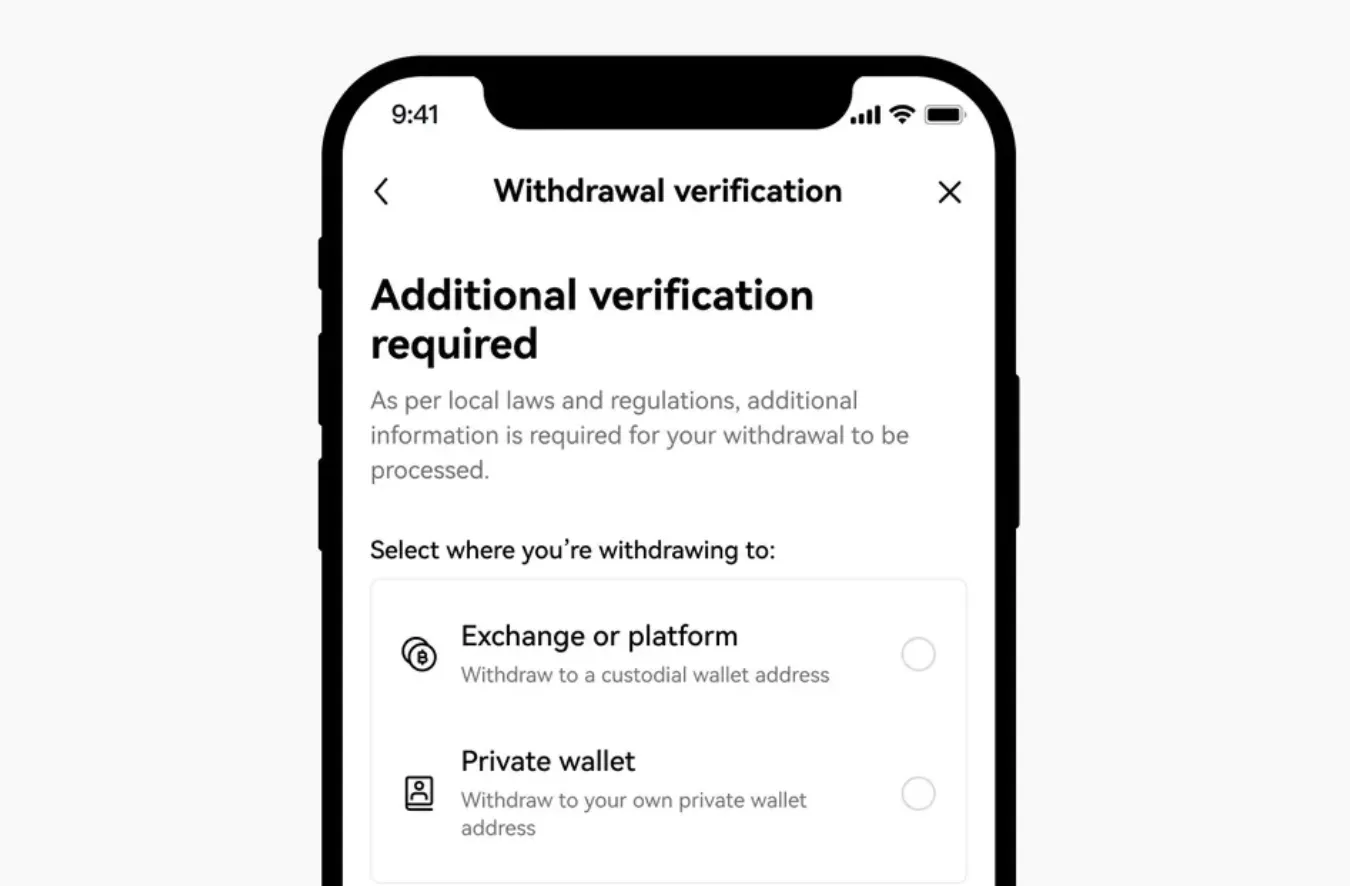
To do this, you connect your personal wallet to OKX and prove you are the real owner by "signing" a message from the wallet.
Does the Travel Rule Apply to Deposits Too?
This is something many people miss: the Travel Rule applies to deposits as well. In particular, when depositing to OKX from another exchange, watch out for the following situations.
For example, what if you deposit from Upbit to OKX, but the sender's name is different from the name on your OKX account? The deposit may be "temporarily frozen." In that case, you'll need to contact OKX customer support to verify your identity.
Also, depending on the Travel Rule system, a deposit or withdrawal is sometimes put on hold with a "review" message. This is a random check OKX runs to prevent "suspicious activity," and it usually completes automatically after some time.
OKX Deposit and Withdrawal Checklist: Handling the Travel Rule
So what's the best way to handle deposits and withdrawals on OKX? You can break it down into the following four scenarios.
| Scenario | Required information | Tip |
|---|---|---|
| Withdrawal to another exchange | Recipient's real name and wallet type | Enter the exact real name in English |
| Withdrawal to a personal wallet | Wallet ownership signature | Import into OKX Wallet, then verify |
| Deposit from another exchange | Sender's name and wallet type | Sender and recipient names must match |
| Deposit/withdrawal on hold | Recipient and sender information | Contact customer support |
Wrapping Up
To deposit or withdraw virtual assets on OKX, you must submit accurate real-name and wallet information as required by the Travel Rule. The Travel Rule can be a bit complicated, but if you understand it and respond correctly, most regular users can deposit, withdraw, and trade without major issues. For more details, check the official OKX Travel Rule page.