[DeFi] What Is Curve Finance?
3 min read · · Korean original
Contents 5
Hello, this is Bitpunk. In this post, we'll look at what Curve Finance is, along with its advantages, risks, developers, and more. In short, Curve Finance is a decentralized exchange on Ethereum that runs on an automated market maker (AMM) model. If Uniswap, another well-known decentralized exchange, is a place to trade a wide variety of tokens, you can think of Curve Finance as one that focuses on stablecoins.

What Is Curve Finance?
Like other DeFi protocols, Curve Finance is a decentralized exchange where users deposit funds to provide liquidity. Because it uses an AMM model, there is no order book, and anyone can provide liquidity to its pools and earn fees. Curve Finance focuses on stablecoins, but you can also trade tokenized Bitcoin such as WBTC, renBTC, and sBTC. The stablecoins currently available include USDT, USDC, DAI, BUSD, TUSD, sUSD, and more.
Who Built Curve Finance, and How Does It Work?
The Curve Finance team members have not been fully disclosed, but Michael Egorov, CTO of the security company NuCypher, has been actively contributing to its development.
On Curve Finance, users supply stablecoins or tokens to liquidity pools, which allows large trades between stablecoins to be processed with low fees and low slippage.
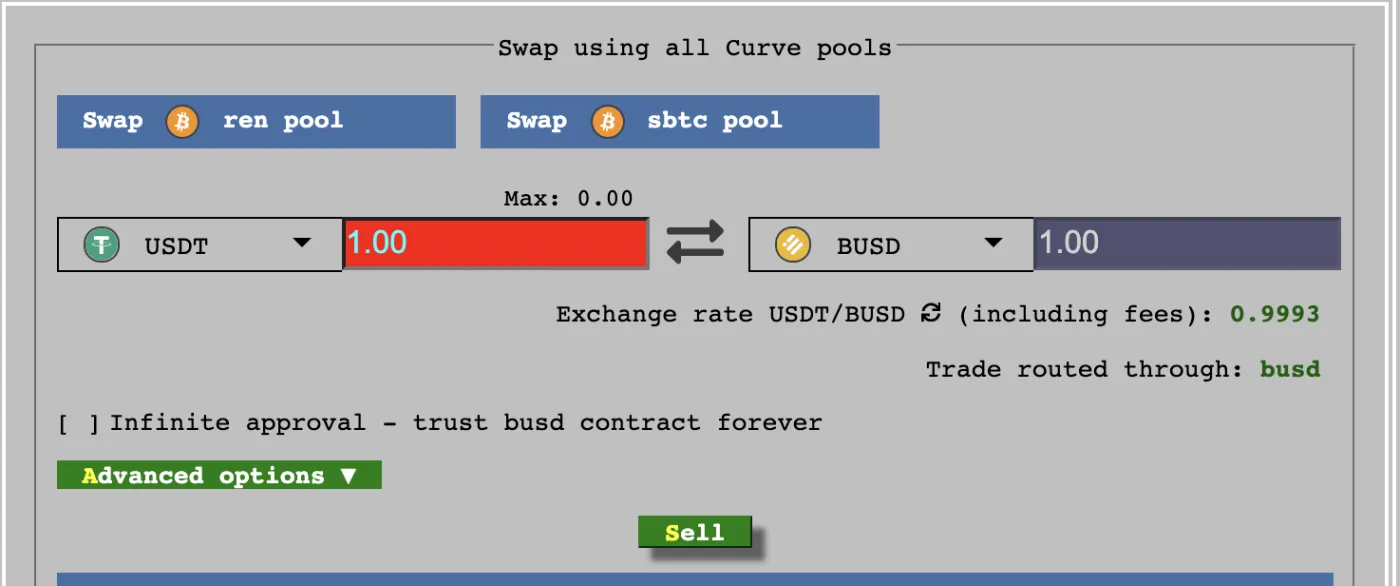
The website's UI is reminiscent of Windows 97, so it may look a bit rough around the edges, but in reality it has been audited by Trail of Bits, and it is currently one of the largest players in the DeFi space, alongside Uniswap, SushiSwap, and others.
What Is the Curve Token, CRV?
Users who provide liquidity to Curve Finance receive CRV, the governance token of CurveDAO. So liquidity providers earn CRV tokens in addition to the 0.04% pool trading fee. CRV tokens are used for governance, such as voting and making proposals that decide the direction of the Curve project. CRV is listed on exchanges such as Binance and can be traded freely.
- Buy Curve (CRV) tokens on Binance (20% off trading fees): bit.ly/3gMvR4f
The Biggest Advantage of Curve Finance
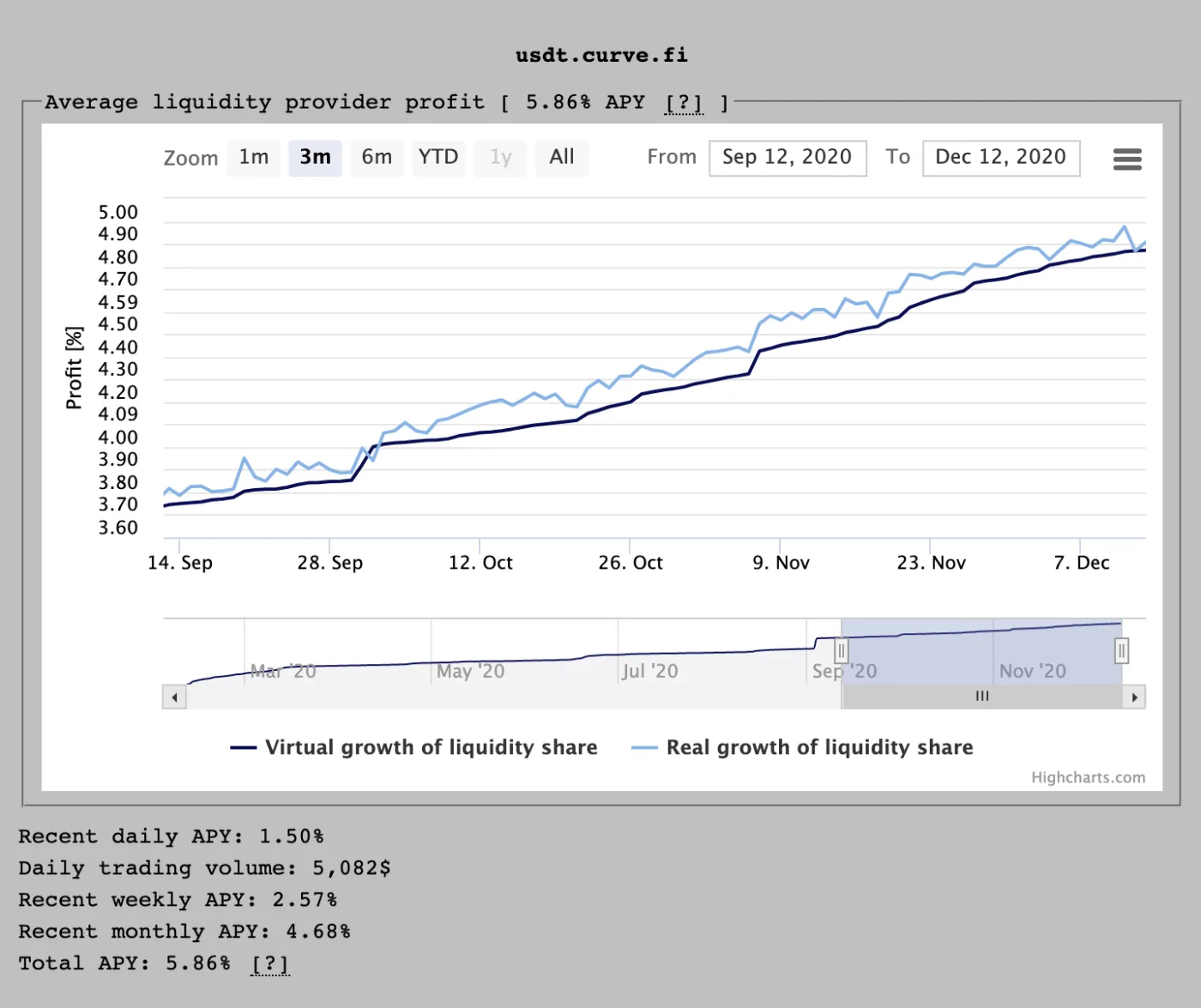
Curve Finance has several advantages, but the biggest one is that you can deposit stablecoins, assets with little price volatility, and earn a high interest rate of around 5% per year.
Risks of Curve Finance
Since it has been audited and is a relatively large project, it is on the safer side, but you still need to be careful because Curve Finance is a decentralized exchange that relies on smart contracts. Also, whenever you take part in a DeFi liquidity model, there is always the possibility of impermanent loss. There is nothing in particular to watch out for compared with other DeFi projects, but as with existing DeFi projects, basic precautions are needed, such as managing your private keys, checking the reliability of liquidity pools, and keeping an eye on smart contract changes.
Wrapping Up
To sum up, Curve Finance is an AMM DeFi protocol on Ethereum that centers on stablecoins. Users can deposit stablecoins, which have relatively little price volatility, and earn much higher interest than at commercial banks, and they can provide liquidity to Curve Finance, earn fees and CRV tokens, and take part in governance.
- Trade Curve (CRV) tokens on Binance (20% off trading fees): bit.ly/3gMvR4f