What Is Wrapped Bitcoin (WBTC)?
4 min read · · Korean original
Contents 6
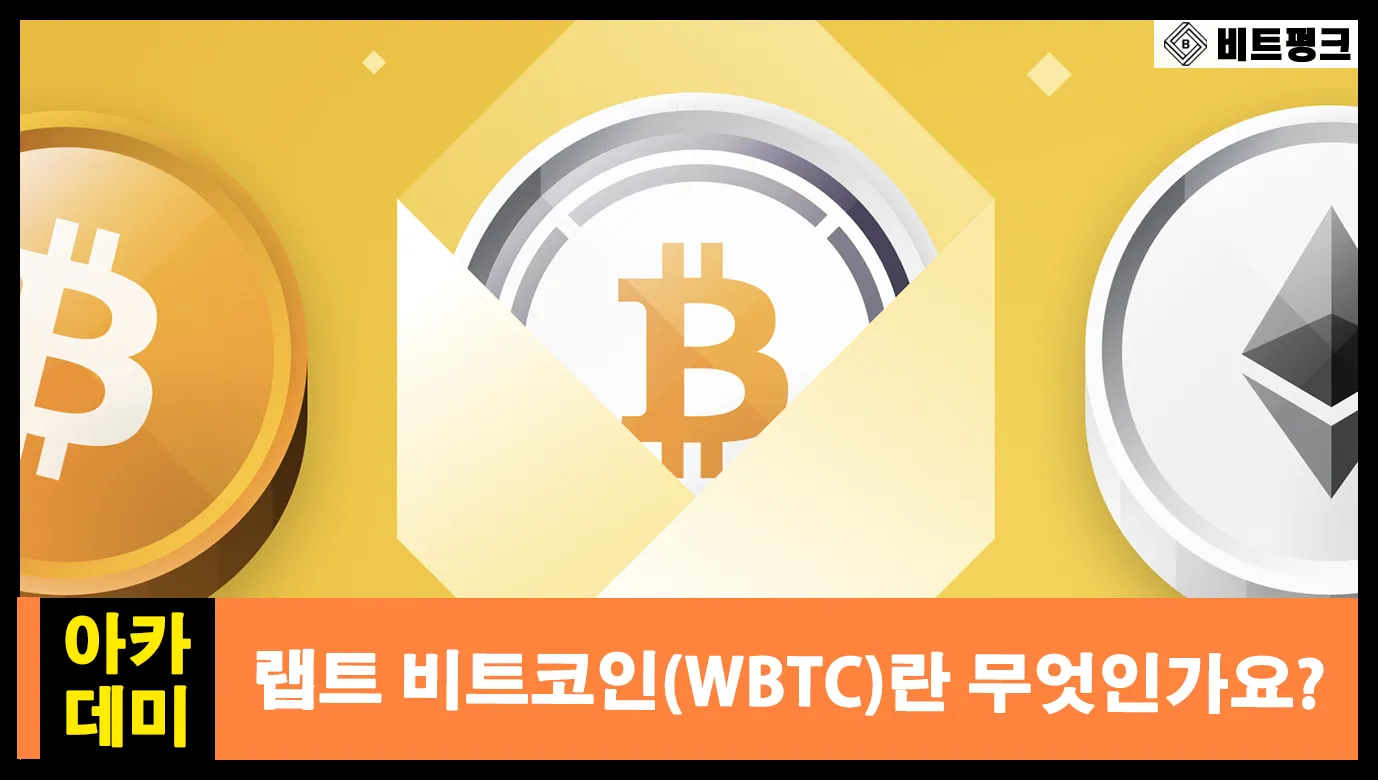
Wrapped Bitcoin (WBTC) is a form of Bitcoin issued as an ERC‑20 token. Bitcoin is wrapped 1:1 so it can be used on the Ethereum network. This lets you use Bitcoin in Ethereum-based services such as DeFi, NFT trading and smart contracts.
What is Wrapped Bitcoin?
Apart from simply holding it, Bitcoin doesn't have many practical uses. But what if you wrapped it and issued it anew on the Ethereum network?
That way, you can bring BTC from the Bitcoin network over to the Ethereum network and put it to use. That's the idea behind Wrapped Bitcoin (WBTC).
In short, WBTC is an ERC‑20 standard token that lets you use Bitcoin on Ethereum. What sets it apart is that it is designed to maintain an exchange rate of 1 WBTC = 1 BTC.
| Item | Bitcoin (BTC) | Wrapped Bitcoin (WBTC) |
|---|---|---|
| Blockchain | Bitcoin network | Ethereum network (ERC‑20) |
| Use cases | Mainly a store of value and means of payment | Smart contracts, DeFi, NFTs, etc. |
| Collateral | Native asset on its own chain | Backed 1:1 by real BTC |
| Degree of decentralization | Fully decentralized | Based on centralized custody |
| Convertibility | Cannot be exchanged directly | Can be converted BTC ↔ WBTC |
How is WBTC issued, and how does it work?
WBTC is designed to always be issued against real Bitcoin as collateral. In other words, when someone deposits 1 BTC with a trusted custodian, a corresponding 1 WBTC is issued.
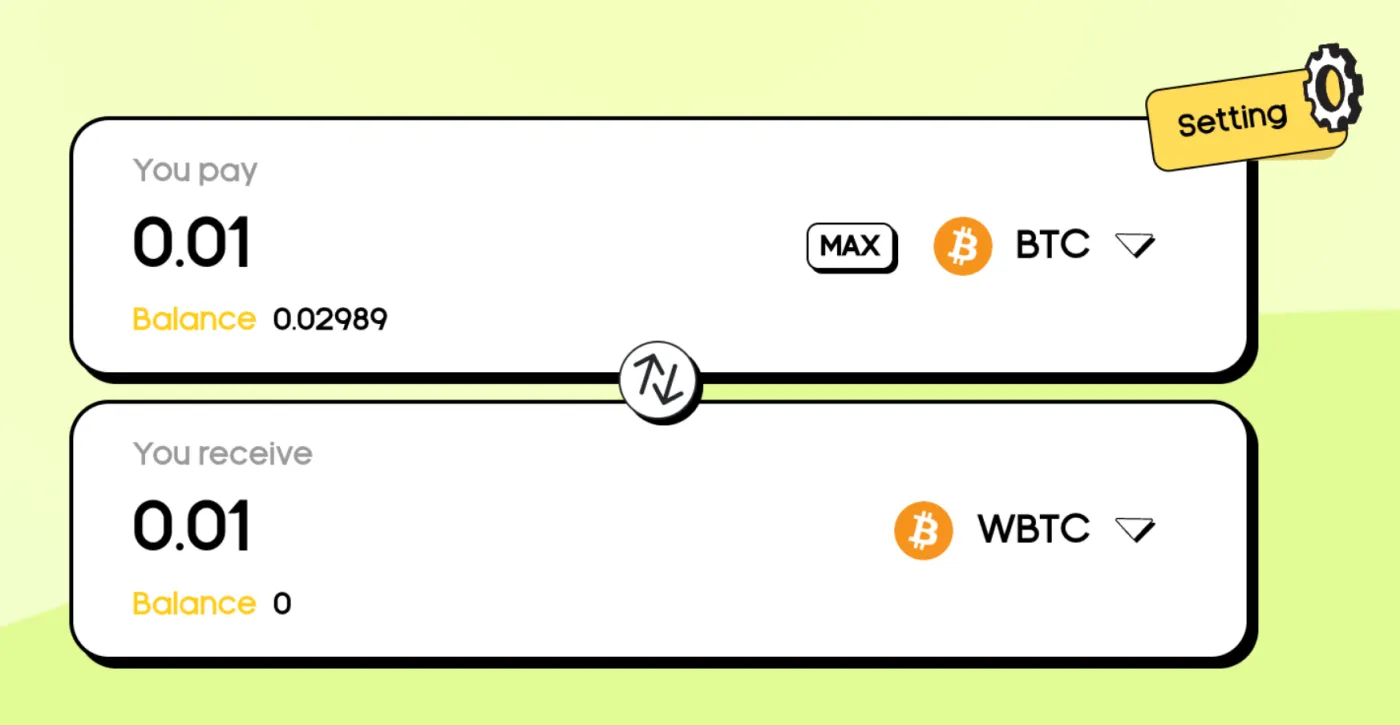
Conversely, if you return 1 WBTC, you get 1 BTC back. WBTC corresponds 1:1 to the amount of Bitcoin actually deposited, and that is how it keeps its value stable.
For example, the WBTC issuance (minting) process works like this. First, the user sends BTC to a merchant. The merchant deposits the BTC with the custodian. Finally, the custodian issues the same amount of WBTC in ERC‑20 form.
The WBTC burning and redemption process, on the other hand, works like this. The user sends WBTC to a merchant. The merchant requests that the WBTC be burned. Once the WBTC has been burned, the custodian returns the BTC to the user.
Why do we need WBTC?
(1) Taking part in the Ethereum ecosystem
Ethereum is home to a thriving range of DeFi services, decentralized exchanges and NFT marketplaces. Bitcoin, however, can't take part in these services directly.
WBTC keeps Bitcoin's value while letting you put BTC to work through Ethereum's smart contract technology. With WBTC, BTC holders can:
- Deposit and borrow on DeFi platforms
- Provide liquidity and trade on decentralized exchanges
- Use it as a means of payment on NFT marketplaces
(2) Expanding liquidity
WBTC channels Bitcoin's liquidity into the Ethereum ecosystem. This can make liquidity for Ethereum-based assets deeper, and as a result, more assets can be put to use on the network.
How can you actually use it?
Bitpunk held 1 BTC and wanted to earn a return on it. But apart from leaving it sitting on an exchange, there didn't seem to be much of an alternative.
Then Bitpunk came across Uniswap pools that run on WBTC. So Bitpunk withdrew the Bitcoin from the exchange, minted WBTC and started using it in DeFi.
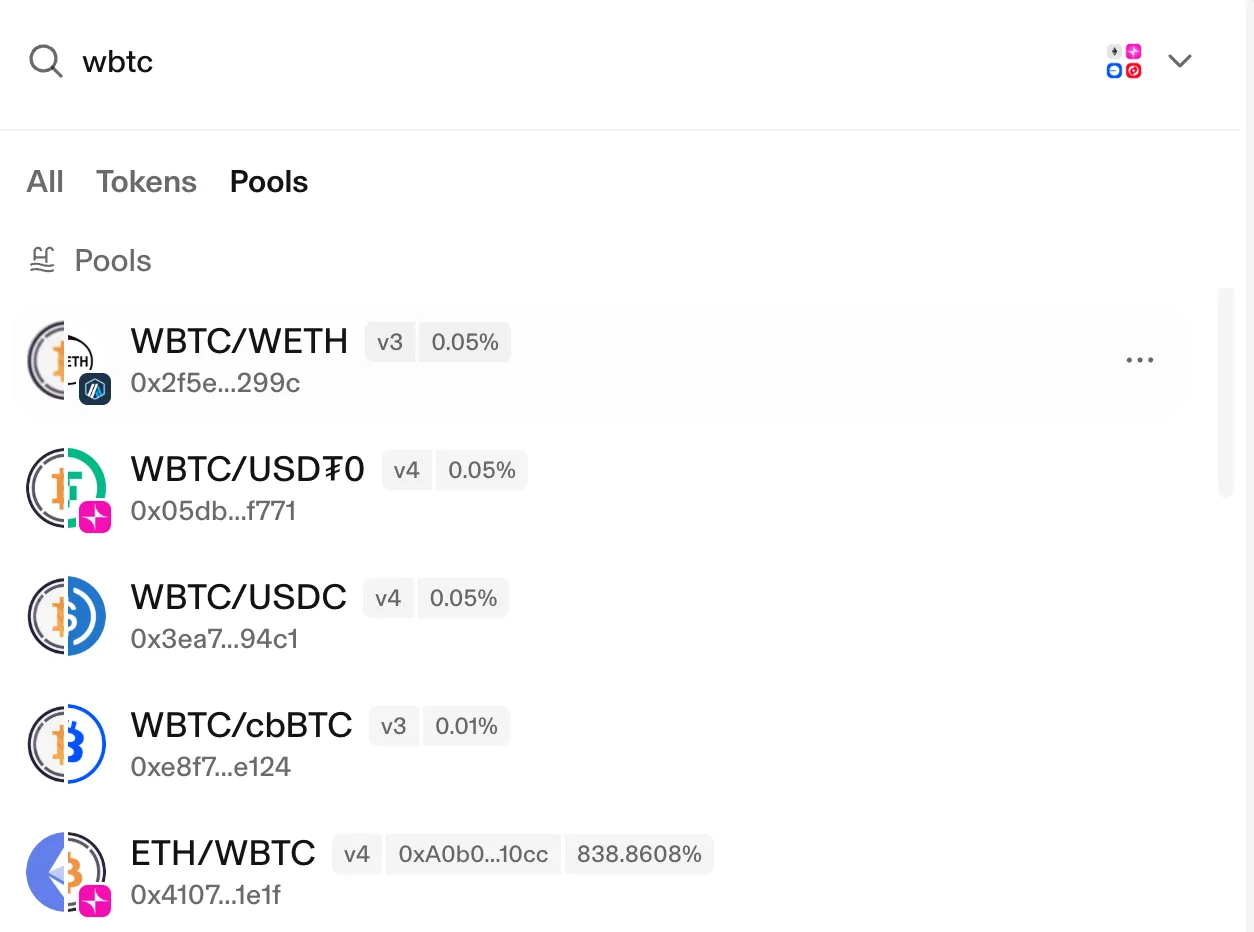
In particular, Bitpunk decided to join the WBTC/WETH pool together with the Ethereum it already held, aiming for a return of close to 20% a year. This came with built-in risks, namely contract security risk and impermanent loss, but Bitpunk decided to accept them.
A year later, having earned the return it wanted, Bitpunk unwrapped the WBTC and safely recovered its BTC.
Recent issues and things to watch out for
Because WBTC is issued by depositing assets with trusted custodians, it is not a fully decentralized asset the way Bitcoin is. So if a particular institution runs into trouble, it can affect trust in the whole system.
In late 2024, Coinbase, one of the major global exchanges, delisted WBTC and introduced its own token, cbBTC, which briefly stirred controversy. Cases like this can pose a risk for investors who rely heavily on a particular exchange.
Wrapping up
Wrapped Bitcoin (WBTC) is an ERC‑20 token designed to keep Bitcoin's value while letting it be used across a variety of Ethereum-based services. Every 1 WBTC is always backed by 1 BTC, and it is issued and burned by trusted custodians.
With WBTC, existing Bitcoin holders can also take part in the wider blockchain ecosystem, including DeFi, smart contracts and NFTs on Ethereum and other Layer 2 networks.
However, unlike BTC, WBTC is an asset whose issuance and burning involve centralized custodians. There haven't been any major problems so far, but before using it, keep in mind that it is not a fully decentralized asset.