Binance Futures: What's the Difference Between Isolated and Cross Margin
3 min read · · Korean original
Contents 5
On Binance Futures, you can use either isolated or cross margin. The two differ significantly in how margin is allocated, how leverage is managed, and how liquidation works. Read this guide to learn the differences between isolated margin and cross margin in detail.
What Is Margin?
When you use derivatives like Binance Futures, you'll come across the term "margin." Margin means "the amount required to open a leveraged position." In Korean, margin is also called "증거금" (deposit) or "담보금" (collateral).
Margin consists of the initial margin, used to open a position, and the maintenance margin, used to keep it open. Depending on your strategy, this margin can be used as either 1) Isolated Margin or 2) Cross Margin. So what's the difference between the two?
What Is Isolated Margin?
Isolated margin is an order type in which margin is isolated, that is, managed separately. With isolated margin, only a specific amount of funds is allocated to a position, and if it falls below the maintenance margin, only that margin is liquidated.
To sum up, "each position and contract is assigned its own specific margin, so every position and its margin operate independently." Now you can see why it's called isolated margin, right?
Let's look at an example. If you open a position on the BTC/USDT perpetual using isolated margin, it won't be affected by other positions you've opened with isolated margin on ETH/USDT or elsewhere.
What Is Cross Margin?
Cross margin is an order type in which margin is managed across positions. With cross margin, all the funds you hold are allocated to your positions as margin, and if it falls below the maintenance margin, all of your assets are liquidated.
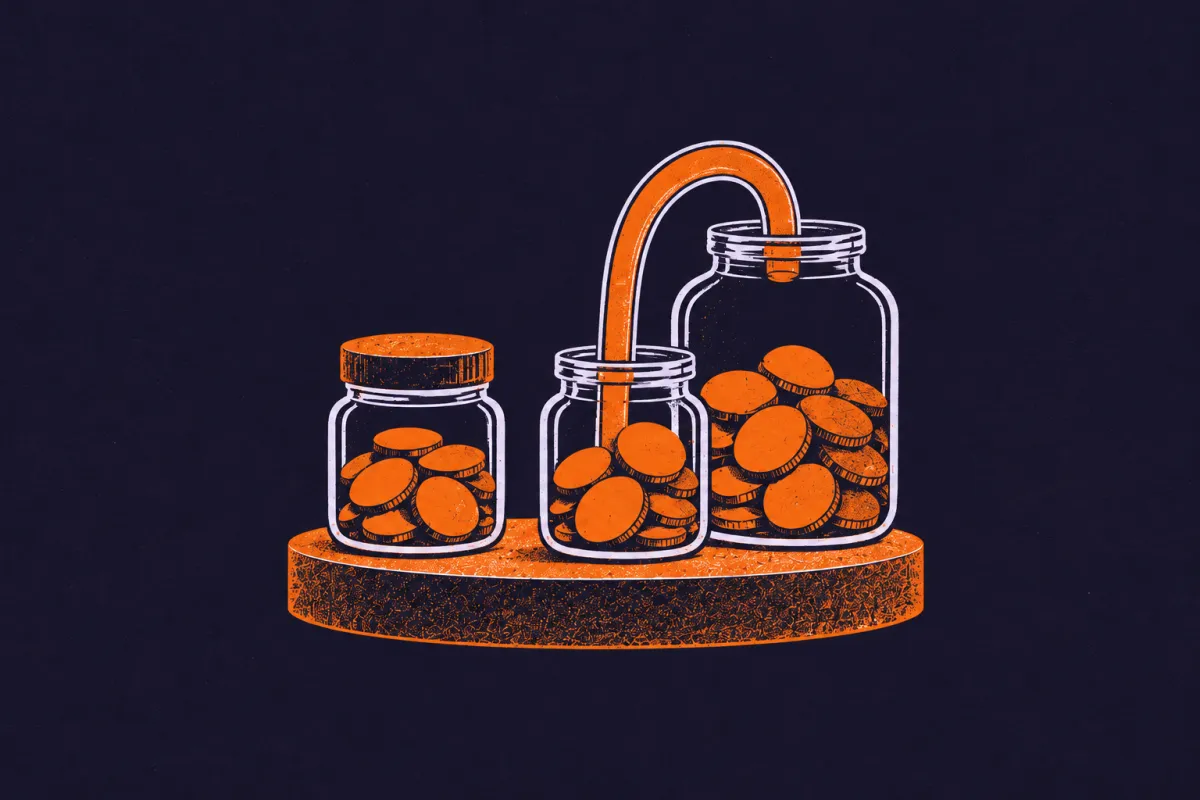
Under cross margin, all open positions share the balance of a single wallet as their margin. That's why it's called cross margin.
For example, if you open a position on the BTC/USDT perpetual using cross margin and then open another cross margin position on the ETH/USDT perpetual, the two contracts will share the same margin balance.
What Happens When Liquidation Occurs?
Liquidation occurs when an asset's mark price reaches the liquidation price. At that point, the exchange takes over the position on the user's behalf and closes it.
In other words, the user's position and margin can no longer cover the losses, so the exchange forcibly liquidates it on the user's behalf. What happens at this point depends on the margin type you're using, that is, isolated or cross.
- Isolated margin: Only the specific margin balance allocated to the order and that position are liquidated
- Cross margin: All margin balances in the wallet used for the order, along with all positions, are liquidated at once
Should You Use Isolated or Cross?
Cryptocurrencies like Bitcoin and Ethereum are basically speculative assets with very high volatility, so many traders use isolated margin. That's because if liquidation becomes unavoidable, isolated margin lets you avoid losing your entire asset balance.
Of course, experienced traders with a very large starting capital who can effectively manage low leverage may choose to use cross margin.
However, there's no difference in returns between positions opened with isolated margin and those opened with cross margin. So unless you have a special case, such as using profits from one position to open a position in another contract, it's better to use the somewhat safer isolated margin.
On the other hand, cross margin makes it easy to manage positions and to pyramid (add to a winning position) or average down (add to a losing position). But if cross margin is mismanaged, all of your positions and funds can be wiped out when liquidation occurs, so you need to be especially careful.